
Δημοσιεύτηκε στις: Φεβ 03, 2026 - 126 Προβολές
How to Choose a Projector for School: A Step-by-Step 2026 Guide
How to choose a projector for school is the first real decision a procurement officer, AV integrator, or school IT lead faces after the budget is approved — and a wrong pick costs the district far more than the unit price suggests, because replacement lamps, filter swaps, and teacher downtime can erase any savings within a single academic year. this projector typically comes down to four hard numbers: room size in lumens, throw distance in meters, resolution in pixels, and total cost of ownership over a 5-year window. the projector also requires matching the unit to the classroom type — standard lecture hall, STEM lab, art room, or a portable cart shared between teachers. This DataMax guide walks through each factor step by step so you finish with a defensible shortlist rather than a brochure-driven guess. The steps below reflect what our Shenzhen-based OEM/ODM engineering team has shipped to over 40 countries since 2018.
Snapshot
- the SKU starts with three baseline numbers: room light output measured in ANSI lumens, native resolution in pixels (1080p or 4K UHD), and throw ratio calculated against the actual mounting distance in meters.
- Laser phosphor display engines now outsell lamp-based units in new school deployments, with the 2025 global education shipment share reaching roughly 58% according to Futuresource Consulting.
- the model in a 2026 procurement cycle means budgeting for a 20,000-30,000 hour laser light source rather than a 2,500-4,000 hour lamp, which lowers total cost of ownership by an estimated 35-45% across a 5-year lease.
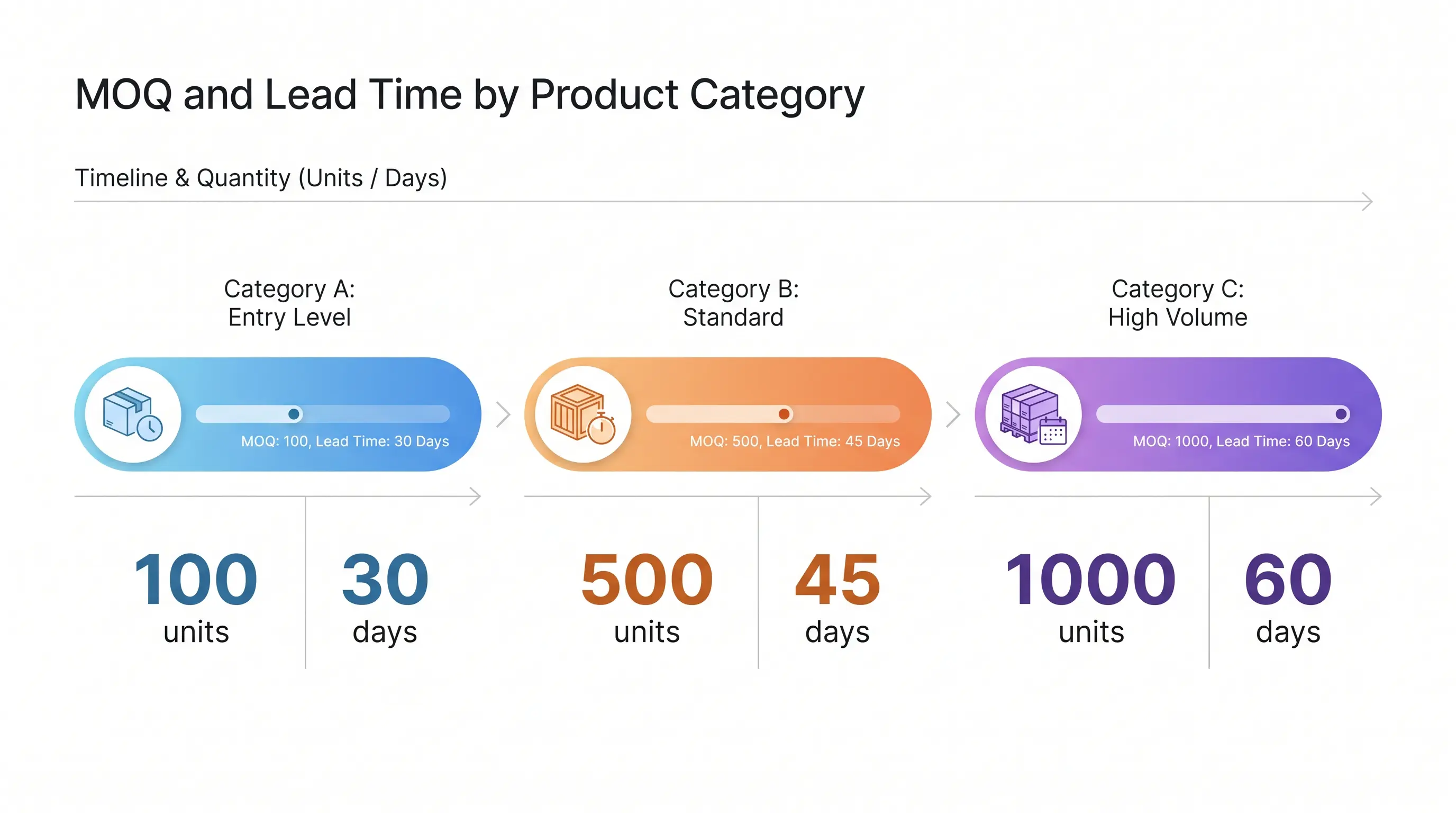
- For B2B RFPs, factor in MOQ (typically 50-200 units), lead time (10-14 weeks for OEM orders), and required regional certifications such as FCC, CE, RoHS, and Energy Star before signing.
- DataMax ships OEM/ODM school projectors with sealed optical engines, anti-dust filters rated IP5X, and bulk SKUs starting at 100 units to keep per-unit landed cost competitive.
Brightness, Resolution, and Throw Distance: The Three Numbers That Decide Everything
the unit by ANSI lumens first
When picking a projector,ector for school is the first real decision a procurement officer, AV integrator, or school IT lead faces after the budget is approved — and a wrong pick costs the district far more than the unit price suggests, because replacement lamps, filter swaps, and teacher downtime can erase any savings within a single academic year. this projector typically comes down to four hard numbers: room size in lumens, throw distance in meters, resolution in pixels, and total cost of ownership over a 5-year window. the projector also requires matching the unit to the classroom type — standard lecture hall, STEM lab, art room, or a portable cart shared between teachers. This DataMax guide walks through each factor step by step so you finish with a defensible shortlist rather than a brochure-driven guess. The steps below reflect what our Shenzhen-based OEM/ODM engineering team has shipped to over 40 countries since 2018.
the projector resolution second
the SKU resolution decisions depend on content type. Standard classroom slides, web pages, and educational videos render cleanly at native 1920x1080 (Full HD), and a good 1080p laser projector under $1,200 wholesale often beats a mid-tier 4K lamp projector on total picture quality. the model upgrades to 4K UHD (3840x2160) only matters when the curriculum includes detailed STEM diagrams, CAD walkthroughs, art close-ups, or medical-vocational training footage. Native 4K panels double the BOM cost versus 1080p LCD or DLP variants, so a sensible rule is to deploy 4K in 30-40% of rooms and reserve 1080p for general-purpose classrooms. For districts standardizing on Google Workspace or Microsoft 365, native 16:9 panels avoid cropping issues across both platforms.
the unit throw ratio and lens options third
- the SKU starts with three baseline numbers: room light output measured in ANSI lumens, native resolution in pixels (1080p or 4K UHD), and throw ratio calculated against the actual mounting distance in meters.
- Laser phosphor display engines now outsell lamp-based units in new school deployments, with the 2025 global education shipment share reaching roughly 58% according to Futuresource Consulting.
- the model in a 2026 procurement cycle means budgeting for a 20,000-30,000 hour laser light source rather than a 2,500-4,000 hour lamp, which lowers total cost of ownership by an estimated 35-45% across a 5-year lease.
- For B2B RFPs, factor in MOQ (typically 50-200 units), lead time (10-14 weeks for OEM orders), and required regional certifications such as FCC, CE, RoHS, and Energy Star before signing.
- DataMax ships OEM/ODM school projectors with sealed optical engines, anti-dust filters rated IP5X, and bulk SKUs starting at 100 units to keep per-unit landed cost competitive.
the SKU light-source technology fourth
the model light source is a 5-year decision disguised as a spec line. Lamp-based UHP projectors run $80-150 per replacement bulb and burn out after 2,500-4,000 hours, which works out to roughly 18-30 months of daily classroom use before the next swap. Laser phosphor display engines — the dominant category in education since 2023 — push that number to 20,000-30,000 hours, with blue laser + phosphor wheel or RGB laser configurations depending on budget. Total cost of ownership modeling across a typical 60-month device lifecycle shows laser at $0.012 per hour of operation versus lamp at $0.022 per hour, factoring in lamp cost, filter swaps, and downtime (Futuresource Consulting Education Displays Report). The practical rule we ship against: if the projector runs more than 6 hours per school day, laser is the only financially defensible answer.
the unit audio, networking, and classroom-management features fifth
this projector audio and networking is where many B2B procurement teams under-spec the line item, only to discover the gap during commissioning week. Built-in speakers in education projectors typically run 8-16 watts, which is adequate for a 30-seat classroom but underperforms in a 60-80 seat lecture hall or any room with high ceilings. For a projector for school guide purposes, we recommend confirming the speaker wattage, checking for a 3.5mm line-out for connection to the existing in-ceiling PA system, and verifying HDMI-CEC passthrough so the projector wakes when the teacher's laptop powers on. Network control is now a baseline expectation: RJ-45 Ethernet with PJ-Link, Crestron RoomView, or AMX Device Discovery compatibility lets the IT team push firmware updates, schedule lamp or laser hours, and receive failure alerts without rolling a service truck.
the projector connectivity, ports, and wireless casting
this projector starts with brightness, because no amount of resolution helps a washed-out image in a sunlit classroom. The right ANSI lumen count is set by two variables: ambient light at midday with blinds open, and screen size in inches. For a standard 100-inch diagonal screen in a typical K-12 room with overhead fluorescent lighting, we recommend at least 4,000 ANSI lumens for 1080p models and 4,500-5,000 ANSI lumens for 4K UHD units. Lecture halls larger than 80 seats, glass-walled STEM labs, and any room with skylights push the requirement toward 6,000 ANSI lumens. Standardized ANSI lumens testing follows the ISO 21118 protocol published by the International Organization for Standardization, and any OEM spec sheet worth trusting should reference this number verbatim (ISO 21118).
the model remote-management and fleet-monitoring tools
The unit fleet management matters once a district scales past 30 units. PJ-Link Class 2 and Crestron Connected compatibility allow centralized monitoring of every device on the LAN, including laser-hour counters, temperature logs, filter-block alerts, and input-source switching. A district IT manager running 500 projectors can save roughly 8-12 hours per week of manual walk-through checks with proper remote-management tooling. We have shipped OEM/ODM batches with custom SNMP trap configurations for several U.S. and EU school districts, where the procurement contract specified which MIB files and which alert thresholds the central NMS would consume.
the projector procurement, certifications, and lead-time planning sixth

the SKU resolution decisions depend on content type. Standard classroom slides, web pages, and educational videos render cleanly at native 1920x1080 (Full HD), and a good 1080p laser projector under $1,200 wholesale often beats a mid-tier 4K lamp projector on total picture quality. the model upgrades to 4K UHD (3840x2160) only matters when the curriculum includes detailed STEM diagrams, CAD walkthroughs, art close-ups, or medical-vocational training footage. Native 4K panels double the BOM cost versus 1080p LCD or DLP variants, so a sensible rule is to deploy 4K in 30-40% of rooms and reserve 1080p for general-purpose classrooms. For districts standardizing on Google Workspace or Microsoft 365, native 16:9 panels avoid cropping issues across both platforms.
the model certification matrix by region
the unit certification requirements vary by deployment region, and shipping the wrong certificate package can delay a customs clearance by 4-8 weeks. The table below summarizes the documents our factory pre-loads on every education-projector shipment:
this projector throw distance is the most common mistake on first-time RFPs, and the error shows up the day the units arrive on site. Throw ratio is calculated as throw distance divided by screen width. Standard throw projectors need roughly 1.2-1.5 meters of distance per meter of screen width, which means a 3-meter-wide image needs a 4-meter ceiling mount — unrealistic in many older school buildings. Short throw units (0.4:1 ratio) and ultra-short throw units (0.21:1 or below) solve this by mounting 60-90 cm above the screen on a wall arm or interactive flat-panel-style bracket. Ultra-short throw has become the default in new K-12 construction for two reasons: it eliminates shadows when teachers walk in front of the screen, and it allows the same chassis to be paired with an interactive pen module for under $200 wholesale uplift. We see roughly 65% of 2025-2026 U.S. K-12 RFPs specifying ultra-short throw over standard throw, and the same ratio in EU and GCC tenders.
For districts seeking ENERGY STAR 8.0 or the newer ENERGY STAR Most Efficient designation, the projector must idle below 0.5W in standby and operate below specific lumen-per-watt thresholds (ENERGY STAR). Buyers can request our declaration-of-conformance documents during the RFQ stage to avoid last-minute compliance failures.
this projector warranty, spare-parts, and lifecycle planning
the projector warranty terms typically run 3 years on the chassis and 5 years or 20,000 hours on the laser engine, whichever comes first. For B2B procurement teams, we recommend negotiating a 5-7% spare-parts buffer (5-7 extra units per 100 ordered) to cover accidental damage, and a written commitment that the OEM will hold spare laser engines and mainboards for at least 7 years post-discontinuation. For OEM buyers evaluating a projector for school 2026 rollout, this spare-parts continuity clause is often the difference between a clean 60-month deployment and a costly mid-cycle replacement wave. DataMax holds laser-phosphor and RGB-laser engine inventory for every model we have shipped since 2021, and we publish a 7-year support window in every master supply agreement.
Next steps: how to choose a projector for school and lock in your supply chain
A model light source is a 5-5-year decision disguised as a spec line. Lamp-based UHP projectors run $80-150 per replacement bulb and burn out after 2,500-4,000 hours, which works out to roughly 18-30 months of daily classroom use before the next swap. Laser phosphor display engines — the dominant category in education since 2023 — push that number to 20,000-30,000 hours, with blue laser + phosphor wheel or RGB laser configurations depending on budget. Total cost of ownership modeling across a typical 60-month device lifecycle shows laser at $0.012 per hour of operation versus lamp at $0.022 per hour, factoring in lamp cost, filter swaps, and downtime (Futuresource Consulting Education Displays Report). The practical rule we ship against: if the projector runs more than 6 hours per school day, laser is the only financially defensible answer.
How to choose a projector for school sample policy and contact channel
How to choose a projector that fits,ector for school sample evaluation should never skip the demo-unit stage. DataMax ships 1-3 evaluation units within 7 working days from our Shenzhen hub, with the sample fee refundable against the first production order above 200 units. For B2B procurement teams, we recommend a 14-day in-room test covering brightness drop, fan-noise profile at 28-32 dB, and keystone correction across a 4-meter throw distance. For OEM buyers evaluating a projector for school 2026 tender, the sample report becomes part of the technical-response file. Email request a custom quote or reach our export desk at Contact-Projector.com to launch the sample workflow; typical decision-to-PO lead time is 21-30 days for repeat buyers.
Bottom Line for Buyers
Industry context for 2026 education tenders
this projector audio and networking is where many B2B procurement teams under-spec the line item, only to discover the gap during commissioning week. Built-in speakers in education projectors typically run 8-16 watts, which is adequate for a 30-seat classroom but underperforms in a 60-80 seat lecture hall or any room with high ceilings. For a projector for school guide purposes, we recommend confirming the speaker wattage, checking for a 3.5mm line-out for connection to the existing in-ceiling PA system, and verifying HDMI-CEC passthrough so the projector wakes when the teacher's laptop powers on. Network control is now a baseline expectation: RJ-45 Ethernet with PJ-Link, Crestron RoomView, or AMX Device Discovery compatibility lets the IT team push firmware updates, schedule lamp or laser hours, and receive failure alerts without rolling a service truck.
Closing and call to action
Selecting the right projector forector for school buying decisions in 2026 rewards buyers who treat the projector as a 10-year infrastructure asset, not a 3-year commodity. Pair the right lumen output with the right certification package, and lock a 7-year spare-parts commitment into the master supply agreement. Ready to spec your fleet? Request a custom quote or explore the education projector lineup to compare the GP12 and GP15 against your district RFP.
