
Опубликовано: апр 09, 2026 - 117 Просмотры
Private Label Projector Manufacturer: A B2B Buyer's Guide to White-Box Partnerships
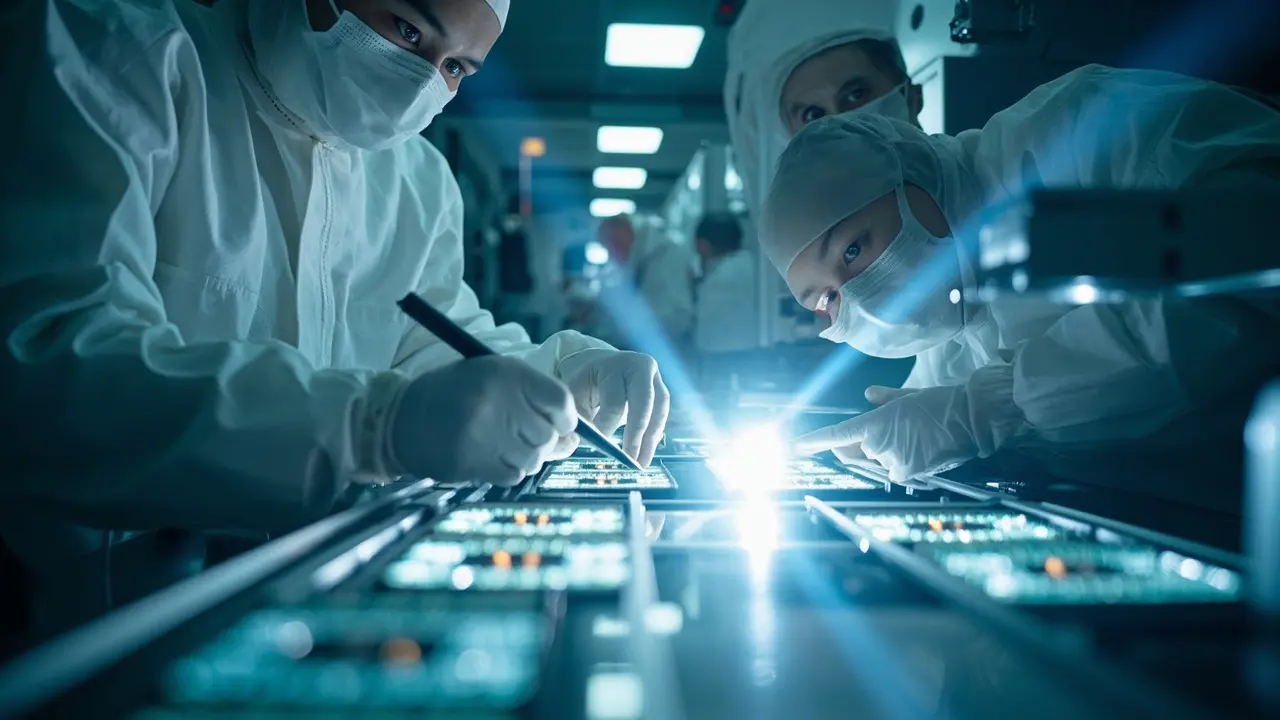
A private label projector manufacturer is the factory that builds projectors sold under your brand name rather than their own. For distributors, retail chains, e-commerce sellers, and vertical-market integrators, this is the dominant business model — most "branded" projectors you see on Amazon, in hotel rooms, and at trade shows are not made by the brand on the box. They are made by 50–200 factories in Shenzhen, Guangzhou, and surrounding industrial clusters, then private-labeled for the buyer. This guide explains how the model works, how to choose the right partner, and how to avoid the most common pitfalls.
What Private Label Actually Covers
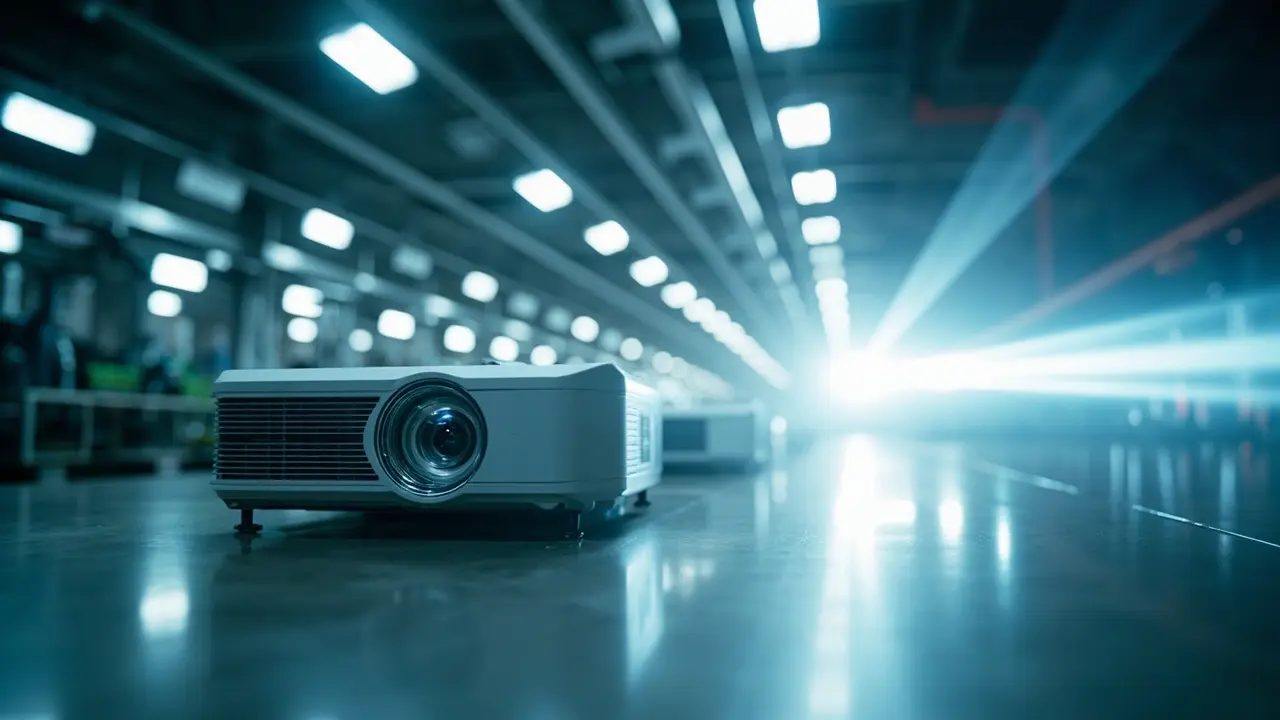
When you partner with a private label projector manufacturer, the engagement typically covers:
- Hardware production — the projector itself, built to a spec the factory already masters
- Firmware and software — boot logo, launcher, default apps, regional language packs
- Packaging and accessories — retail box, foam insert, manuals, cables, warranty card
- Compliance and certification — CE, FCC, RoHS, BIS, GMS, REACH as required by destination
- Logistics — FOB, CIF, or DDP shipping terms to your warehouse or retailer DC
- After-sales support — warranty triage, spare parts, firmware updates (often co-managed)
- Industrial design invention (that is ODM territory)
- Chip-level R&D (you do not get to specify a new DLP DMD chipset)
- Patent licensing (HEVC, Dolby, HDR royalties are usually passed through as fees)
Why Brands Choose Private Label

Buyers looking for a turnkey smart OS reference should evaluate the GP95-GTV 400 ANSI Full-Sealed Smart Projector with Google TV Built-In. Google TV is licensed and pre-integrated, eliminating months of middleware work for ODM projects.

On the high-brightness side, the GP98 12400 Lumens Smart Projector for Meeting Rooms is our flagship reference platform for ODM partners—laser-phosphor light source with a sealed optical block.
The four most common business cases we see from new buyers:
- E-commerce sellers — Amazon, eBay, Walmart Marketplace, Flipkart sellers who want their own ASIN but cannot afford to design a projector from scratch. Private label gets them a unique ASIN, full retail margin, and brand equity in 60–90 days.
- Retail chains and distributors — established electronics distributors who want a "house brand" for their retail accounts. Private label gets them exclusive SKUs, differentiated packaging, and protection from the factory's direct-to-consumer competitors.
- Vertical integrators — hotels, churches, schools, conference venues who want their own brand on the projectors installed across their properties. Private label supports multi-year rollout with consistent firmware.
- Brand extensions — existing consumer brands (audio companies, TV brands, smart home brands) who want to add a projector line without building a new R&D team. Private label leverages the factory's R&D.
The 10-Point Manufacturer Checklist
Use this checklist when evaluating any private label projector manufacturer. A reputable partner checks 9 or 10 of these boxes.
- ✅ 10+ years manufacturing smart projectors
- ✅ In-house optical engine capability (not just assembly of bought-in engines)
- ✅ Documented QC process with AQL sampling tables and IQC/IPQC/OQC breakdown
- ✅ Transparent BOM pricing — willing to share component sources
- ✅ Sample program with refundable sample cost against first PO
- ✅ NDA and tooling ownership clauses offered proactively
- ✅ Compliance certificates for major markets: CE, FCC, RoHS, BIS, GMS
- ✅ Reference customers in your target market (or close to it)
- ✅ 24-hour engineering response time
- ✅ Realistic lead time — not "30 days for everything"
MOQ, Pricing, and Lead Time
Typical numbers for a private label projector manufacturer engagement:
| Order Profile | MOQ | Unit Price Range (FOB Shenzhen) | Lead Time |
|---|---|---|---|
| Sample evaluation | 1–5 units | $80–$300 (refundable against PO) | 7–14 days |
| Pilot run | 100–500 units | $45–$180 | 25–35 days |
| Standard bulk | 500–2,000 units | $35–$140 | 25–35 days |
| Volume run | 2,000–10,000 units | $28–$110 | 30–45 days |
Common Customization Costs Beyond Unit Price
The unit price above covers hardware only. Expect these additional one-time fees for a typical private label engagement:
| Customization Item | One-Time Fee (USD) | Notes |
|---|---|---|
| Boot logo + splash screen | $1,500–$3,000 | Animations up to 5 seconds |
| Custom launcher / home screen | $3,000–$8,000 | Layout, default apps, wallpaper |
| Retail box design + first print run | $4,000–$12,000 | Depends on box size, finishes, color count |
| Manuals (multilingual) | $800–$2,500 | Typically 4–8 languages |
| Custom remote control printing | $500–$1,500 | Logo pad print or laser etch |
| Custom accessories bag / inserts | $300–$800 | Often negotiable into packaging run |
The Factory Audit: What to Look For
If your order is over $50,000, we strongly recommend an on-site factory audit before placing the PO. Either fly to Shenzhen yourself or hire a third-party auditor (SGS, BV, TÜV, AsiaInspection). Audit checklist:
| Area | What to Verify |
|---|---|
| Production line | SMT capacity, number of assembly lines, clean room status |
| Optical engine lab | Calibration equipment, dark room, colorimeter, integrating sphere |
| QC docs — IQC | Sampling tables for incoming components |
| QC docs — IPQC | Optical alignment frequency, AOI coverage |
| QC docs — OQC | AQL sampling, drop test, vibration test |
| Warehouse | Component traceability, finished goods FIFO |
| Compliance | Certificate originals, lab accreditation |
| R&D team | Headcount, optical engineer presence, firmware team |
| HR | Worker count, training records, social compliance |
The Two Private Label Models That Actually Work
After ten years of serving brand owners, we have seen two private label engagement models consistently produce profitable outcomes:
Model A: Catalog-SKU Private Label
Pick 3–5 existing SKUs from the factory's catalog. Each gets your logo on the housing, your boot animation, your packaging. Time-to-market is 60–90 days. You launch with a portfolio, not a single hero product. This is the right model for new sellers and distributors entering the category.
Model B: ODM-lite Private Label
Pick one existing optical platform and have the factory modify the housing, the firmware, and the accessories to your spec. You get differentiation without the $100,000+ bespoke tooling investment. Time-to-market is 90–120 days. This is the right model for brands with $250,000+ in launch capital who want to defend a margin against commoditized catalog competitors.
We have seen clients try Model C — bespoke industrial design on a tight 90-day deadline — and fail. Build the runway your ambition requires.
How Private Label Differs From OEM and ODM
Quick clarification, because the terms are often confused:
- Private label: factory makes it, you brand it. Factory owns the design. You own the brand presentation.
- OEM: same as private label, often used interchangeably. Some industries reserve "OEM" for components and "private label" for finished goods.
- ODM: factory designs it from scratch, you brand it. You may own the design IP if you funded it.
- White label: factory sells the same product to multiple buyers with no differentiation between them. True white label is rare in projectors because retailers demand exclusivity.
Conclusion and Next Step
A private label projector manufacturer is the right partner for any brand that wants to sell projectors without designing them. The model is proven, the cost structure is well understood, and the lead times are predictable. The most common mistakes are skipping the factory audit, underestimating the one-time branding setup fees, and committing to bespoke tooling before validating the market.
💼 Looking for a private label projector partner?
Request a Free Quote | View Product Catalog
We support MOQ from 100 units (firmware-only customization) to 10,000+ units (full bespoke). Our engineering team responds within 24 hours with feasibility, sample plan, and tiered pricing.
