Publicado el: sep. 17, 2026 - 34 Vistas
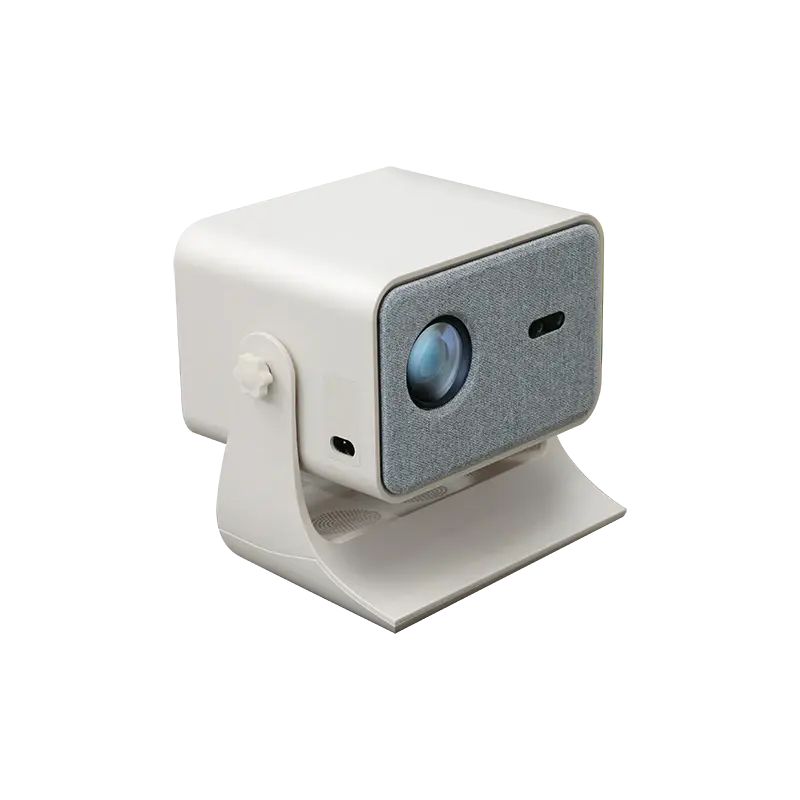
XGIMI sets a high benchmark in consumer smart projectors — polished hardware, strong optical tuning and a trusted retail brand. If you are a distributor, Amazon seller, hospitality procurement team or brand owner, however, buying more XGIMI units is not the same as building a projector business. This guide explains when an XGIMI alternative makes sense, what a factory-direct partner actually provides, and which DataMax platforms fill the same product space.
Why B2B buyers search for an XGIMI alternative
A first-party consumer brand is optimized for one thing: selling its own finished products to end users. That creates a structured set of limitations for resale and private-label businesses:
- No private label. You cannot ship the device with your logo, boot screen, launcher or retail packaging.
- No pricing control. MAP policies, marketplace competition and channel conflicts cap your margin.
- No territory protection. The same product is available to every retailer in your market.
- Fixed specification. Hardware ports, firmware, preloaded apps and accessories cannot be adjusted for your customers.
- Bulk deployment gaps. Hospitality and education features such as guest-mode reset, centralized management and fleet spares are outside a consumer roadmap.
A factory-direct OEM/ODM relationship inverts these terms: you define the brand, the channel rules and the configuration, while the manufacturer supplies engineering, certification and production.
Consumer brand versus factory partner: a side-by-side view
| Dimension | Consumer brand (e.g. XGIMI) | Factory OEM/ODM partner |
|---|---|---|
| Branding | Manufacturer brand only | Your logo, boot screen, launcher and packaging |
| Order quantity | Retail stock, one unit upward | MOQ-based, with mixed trial orders for first buyers |
| Unit economics | Retail/wholesale price tiers | Ex-works pricing structured around volume and customization |
| Firmware and UI | Locked to the brand roadmap | Custom launcher, apps, languages and boot behavior within license rules |
| Hardware changes | Not available | Colors, accessories, ports and custom ID on OEM programs |
| Territory protection | None | Negotiable by market or segment |
| Certification | Held by the brand | CE, FCC, RoHS and GMS paperwork prepared for your shipment |
| After-sales structure | Consumer warranty channels | Spare-unit ratios, technical support and documentation for your team |
What a credible XGIMI alternative must have
Switching from a famous brand to factory supply only works if the factory meets the standards the benchmark set. Verify these five points in writing:
- Real ANSI lumens, not LED-lumen marketing. Compare measured ANSI figures and ask for brightness-uniformity reports.
- Official Google TV and GMS certification if Netflix and Play Store access are part of the pitch.
- Sealed optical engine for dust-heavy hospitality, classroom and rental environments.
- Documented QC. Aging, drop, vibration and noise testing with a stated AQL standard.
- Export maturity. Correct certificates per market, FBA preparation options and responsive English-language sales engineering.
Three DataMax platforms for XGIMI-style use cases
These current, in-production platforms match the smart-projector experience buyers benchmark against XGIMI, with private-label configuration included.
GP95-GTV — sealed Google TV flagship for bedrooms and lifestyle lines
400 ANSI lumens, a sealed optical engine, native 1080P, official Google TV, autofocus and automatic keystone. It is the closest starting point for a brand building a Netflix-ready bedroom projector line. View the GP95-GTV specifications.
GP98 — high brightness for lit rooms and events
800 ANSI lumens, native 1080P, WiFi 6 and Bluetooth 5.4. The hero SKU when your market needs more brightness than compact consumer designs offer. View the GP98 model.
GP94B — fixed-install platform for hospitality and education
500 ANSI lumens, native 1080P, Android 9 and AI autofocus, validated for ceiling installation and fleet rollout with custom welcome UI and reset behavior. View the GP94B model.
How to move forward without over-ordering
First-time B2B buyers usually start on an ODM private-label configuration — logo, boot screen, launcher and packaging on a validated platform — with a mixed trial order, then move to custom hardware once reorders justify tooling. For the full decision framework, read our OEM vs ODM projector manufacturing guide, and compare the broader supplier landscape in our 2026 shortlist of China projector manufacturers.
Frequently asked questions
Is an OEM projector lower quality than XGIMI?
Not by definition. Brand value and factory capability are different things. Several Chinese factories engineer both own-brand and OEM products on the same lines. Quality is determined by the optical platform, components and QC discipline you verify during sampling — audit those instead of relying on a logo.
Can I sell a factory-made projector on Amazon under my own brand?
Yes. Private-label ODM is a standard Amazon-seller model. Confirm GMS licensing where applicable, FCC documentation, compliant power adapters and FBA labeling before listing.
What MOQ is realistic for a first private-label order?
It varies with branding depth. Logo and packaging changes on an existing platform start lower than custom tooling. A formal quote lists MOQ per model, sample policy and tier pricing for your exact configuration.
Will the factory protect my market?
Territory or segment exclusivity is negotiable and should be written into the contract, typically tied to volume commitments. Ask for the specific exclusivity terms rather than assuming them.
Ready to benchmark a factory-made alternative? Send your market, channel and target quantity through the RFQ form or browse the current projector lineup.
