
OEM vs ODM Projector Manufacturing
Two cooperation models, one decision
What OEM means
You define the product — appearance, key specifications, accessories and packaging — and the factory builds to your specification under your brand. Custom tooling and firmware work are scoped to your order.
What ODM means
The factory supplies an existing, validated platform. You select the model, configure features and apply your branding, then launch faster with lower upfront engineering cost.
Design ownership
In OEM, industrial design and tooling are yours. In ODM, the platform belongs to the factory and may be offered to other buyers unless segment or market exclusivity is written into the contract.
Tooling and MOQ
Custom molds raise first-order cost and MOQ. ODM branding programs start lower: logo, boot screen, packaging and launcher changes on a proven production line.
IP protection
NDAs and clear tooling clauses protect both sides. Define in advance who owns molds, firmware modifications, and what happens to tooling if the relationship ends.
Speed to market
ODM can launch in weeks on an existing line. A full OEM program runs through design, tooling, pilot and certification stages, taking longer but producing a differentiated product.
Which model fits your business
Amazon and e-commerce sellers
Start with ODM private label: validated platform, compliant packaging, FBA-ready logistics, and a fast listing launch. Move to custom housing once reviews and reorders prove the niche.
Established brands adding a line
Use a hybrid: an ODM platform with custom ID details, exclusive colors and a branded launcher so the line looks distinct without funding a full mold program.
Operators and large deployments
Hotels, schools and distributors benefit most from a standardized ODM fleet with custom welcome UI, reset behavior, spare-part planning and regional documentation.
Start-ups with a unique design
Choose OEM only when the visible design is the core differentiator and volume planning justifies tooling. Otherwise launch on ODM, build cash flow, then tool the signature product.
How an ODM-to-OEM program actually runs
1. Platform selection
Match a current optical engine and smart platform to your brightness, resolution, throw and certification requirements from real sales data.
2. Customization scope
Confirm logo, boot screen, launcher, preloaded apps, languages, housing color, packaging and manuals — documented line by line in the quotation.
3. Pilot sample
A pre-production sample is tested for brightness, noise, thermal behavior and software before you approve mass production.
4. Mass production and QC
Aging, drop, vibration and functional checks run on the line, with AQL inspection and export documentation before shipment.
ODM platforms buyers launch with most often
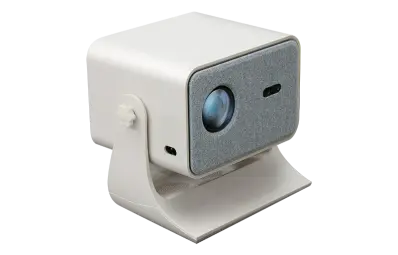
GP95-GTV Sealed Google TV Projector
400 ANSI, sealed engine, native 1080P and official Google TV. Strong first private-label model for bedroom and lifestyle brands.
View model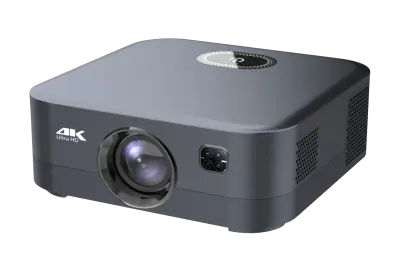
GP94B 500 ANSI Install Projector
500 ANSI, 1080P, Android 9, autofocus and keystone. Well suited to hospitality and education fleet programs with custom UI.
View model
GP98 800 ANSI High-Brightness Model
800 ANSI, 1080P, WiFi 6 and Bluetooth 5.4 for lit rooms and event use. A differentiated hero SKU for established brands.
View model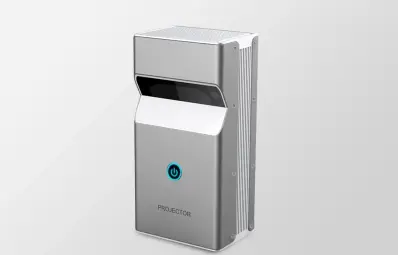
DP01 Ultra-Short-Throw Interactive
UST 100-inch Full HD image with interactive touch on Android 9 for classroom and corporate training lines.
View model