
Choose projectors that support the creative idea instead of limiting it
Art and exhibition buyers do not evaluate projection the same way retail or conference channels do. They need color trust, geometry freedom, installation flexibility, and a product story that can support curators, immersive designers, and technical teams at the same time. DataMax develops art and exhibition projector solutions around those real-world requirements, from short-throw immersive rooms to large museum visuals and projection-mapped cultural events.
Immersive to Museum Scale
Suitable for temporary installations, permanent displays, and high-impact cultural events.
Color + Geometry Focus
Built around color-sensitive work and flexible projection on non-standard surfaces.
Short Throw to High Lumen
Multiple system classes for compact rooms and large exhibition environments.
Integrator and Curator Fit
Useful for creative studios, exhibition builders, and institutional partners.

Who this projector solution is built for
The models below are selected for buyers looking for an art projector manufacturer, exhibition projector supplier, immersive installation projector, or museum projection solution — for both commercial evaluation and creative planning.
Museums and galleries
Need projector systems that respect color, narrative pacing, and operational reliability in public-facing exhibits.
Immersive experience studios
Need geometry flexibility, brightness planning, and projection systems that adapt to unusual surfaces.
AV integration partners
Need projectors that can be proposed into cultural, exhibition, and event environments with confidence.
What creative and exhibition buyers care about most
Art-focused projection decisions usually start with visual intention and then move toward practical questions about space, installation method, duty cycle, and whether the system can stay faithful to the creative concept.
- Color confidence: creative teams care about tone, contrast, and whether the visual result stays believable in the actual space.
- Projection freedom: walls, objects, facades, corridors, and immersive rooms all demand stronger geometry tools.
- Installation flexibility: 360-degree placement, short-throw options, and brightness matching matter more than generic catalogue language.
- Operational trust: public installations still need supportability, reliability, and sensible maintenance planning.
Buyers sourcing in this category often search for art projector manufacturer, exhibition projector supplier, immersive installation projector, or museum projection solution.
How DataMax helps partners turn demand into a sellable product line
We work with partners that need art and exhibition projection programs to feel credible both technically and creatively. That means product selection, calibration direction, and commercial framing all need to support the intended experience. Learn more about our execution flow on the service page, review buyer-facing trust points on certifications, and see how projects are framed on case studies.
Creative-use product selection
We help partners decide when short throw, high lumen, 3LCD, or DLP directions best serve the exhibit concept.
Institutional presentation support
The product story can be shaped for museums, galleries, cultural contractors, and immersive design bids.
Calibration and setup logic
We can align product planning with the practical realities of projection onto varied surfaces and spaces.
Partner-ready commercial path
Product review, compliance signals, and RFQ are one step away once the project starts to crystallize.
Recommended models for this solution
These models align with the most valuable art and exhibition intents: museum-scale brightness, high-contrast mapping, and short-throw immersive flexibility.
 Museum Scale
WUXGA 20000 Lumens 3LCD
A strong candidate for large galleries, museums, and public cultural spaces where scale and brightness are mission critical.
WUXGA, 20000 lumens, 3LCD professional laser platform
View product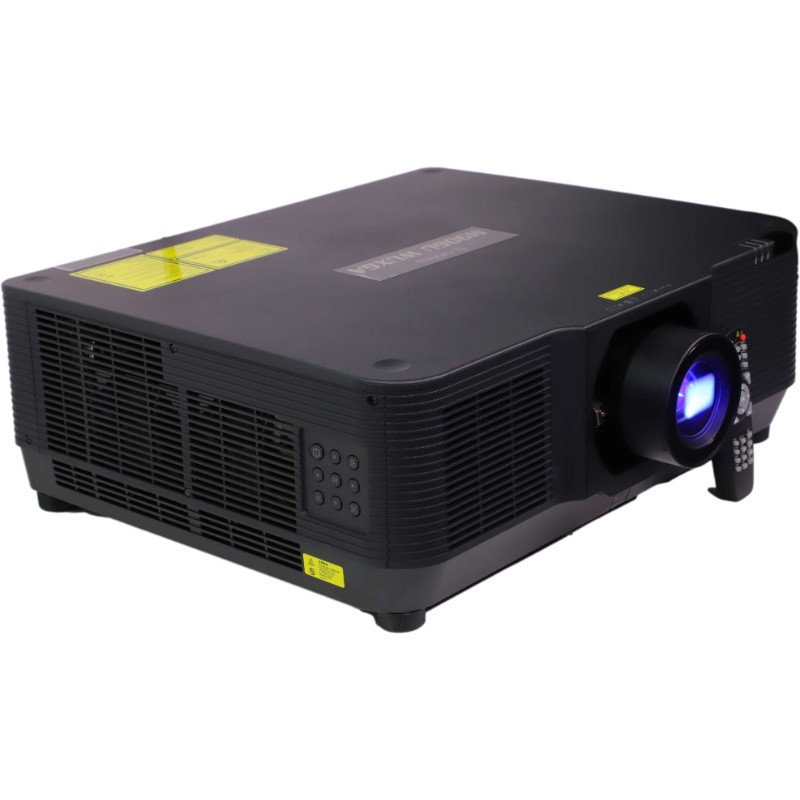 High Contrast Mapping
WUXGA 20000 Lumens 3D Mapping
Built for partners who need big visual presence and mapping-friendly performance for installation work.
High-contrast WUXGA, 20000 lumens, mapping-oriented use
View product Immersive Room
10500 Lumens DLP Short Throw
Useful when the project calls for stronger projection in tighter spaces or more aggressive immersive-room geometry.
10500 lumens, DLP laser, short-throw mapping fit
View productQuestions buyers usually ask before choosing this projector category
These answers are written for curators, studios, and technical partners comparing projection systems for exhibitions and immersive environments.
What type of projector works best for immersive art installations?
The best fit depends on room size, throw distance, brightness needs, surface complexity, and whether color fidelity or mapping flexibility is the bigger priority.
Do museums and galleries need higher lumen systems?
Often yes, especially for large rooms, daylight-influenced environments, or installations where image scale is part of the experience.
Why is short throw important in exhibition spaces?
Short throw helps when installation distance is limited, when sight lines matter, or when the projector must stay less visible to the audience.
Where to go next
Review the recommended products based on scale and geometry needs first, then move to service, certifications, and RFQ when the project brief is clear enough to scope.
Need projection systems that serve the exhibition concept as well as the technical brief?
Start with the recommended models below to compare immersive-room, mapping, and museum-scale directions, then move to RFQ when the spatial and creative goals are ready for commercial review.
