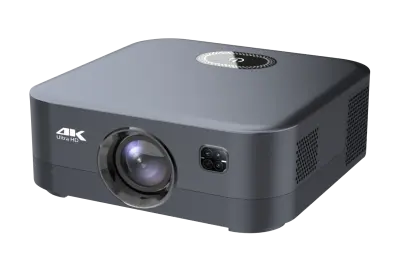
HOUSES OF WORSHIP

Church Projectors for Sanctuaries, Halls & Ministry Rooms

A sourcing guide and model shortlist for worship tech teams, church procurement groups, and religious-venue distributors. Match brightness to your sanctuary, choose the right throw and mounting configuration, and deploy consistent units across campuses — with OEM branding and bulk supply available.
Selection Logic

How to choose a projector for a church space

Sanctuaries behave differently from home rooms: ambient light from high windows, long throw distances, fixed mounting, and mixed content from hymn text to video. Work through these six factors before comparing models.

1. Measure the light

Brightness must be sized against window light and house lighting, not screen size alone. Daylight sanctuaries need substantially more ANSI lumens than a blacked-out youth room; plan dimming zones where possible.

2. Define screen and seating

Screen width, ceiling height, and the distance to the front row set the required image size and resolution. Hymn lyrics and Bible text demand legibility from the back row, which favors native Full HD.

3. Work out the throw

Distance from lens to screen determines throw ratio. Rear-balcony and high-ceiling installs need long-throw geometry; small rooms close to the screen suit short-throw platforms and avoid shadows in the aisle.

4. Plan mounting and aiming

Fixed ceiling installation, keystone correction range, accessible power and signal paths, and safe maintenance access should be designed before the first unit is ordered, not after.

5. Match the signal chain

Plan for the switcher or laptop source, HDMI runs, wireless presentation from a phone or tablet, and any live-stream or sound-desk integration the worship team already uses.

6. Consider uptime

Houses of worship run weekly schedules with volunteer operators. Sealed optical engines, simple remotes, spare-unit planning, and consistent models across rooms reduce the maintenance burden on the tech team.

Model Shortlist

Shipping models that fit church use

Only current, in-production platforms are listed, matched against the room type they genuinely suit. Every specification below is the published factory specification for the model.
Fellowship halls GP94B 500 ANSI Install Projector

GP94B 500 ANSI Install Projector

500 ANSI lumens, native 1080P, Android 9, AI autofocus and keystone. A ceiling-install candidate for fellowship halls and smaller sanctuaries.

View model
Meeting rooms GP95-GTV Sealed Google TV Projector

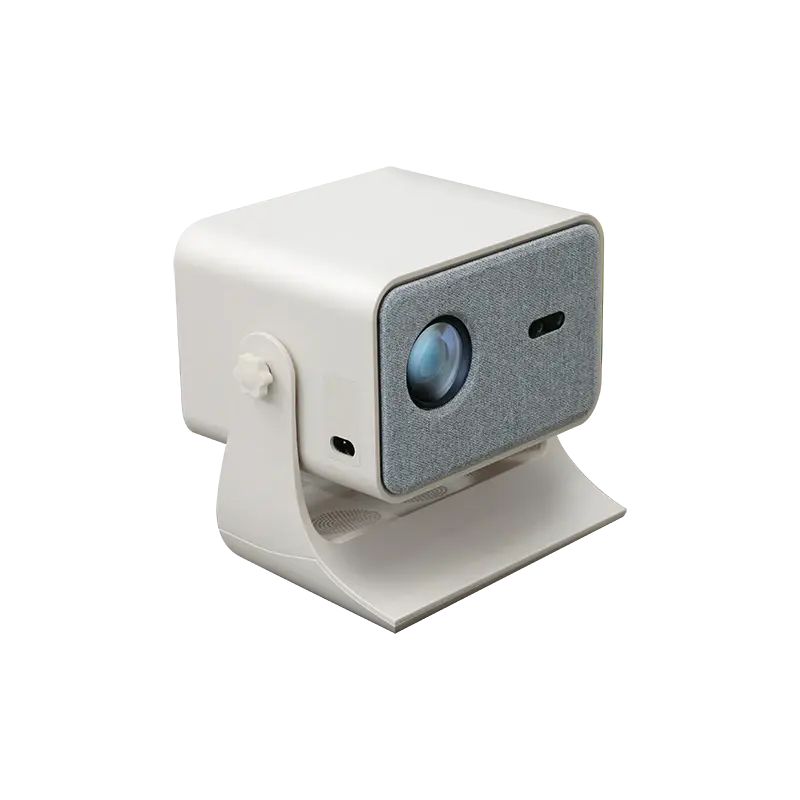
GP95-GTV Sealed Google TV Projector

400 ANSI, sealed optical engine for dust-prone installs, native 1080P, Google TV, autofocus and keystone. Ceiling-install listed for ministry and meeting rooms.

View model
Youth worship GP98 800 ANSI High-Brightness Model

GP98 800 ANSI High-Brightness Model

800 ANSI, native 1080P, WiFi 6 and Bluetooth 5.4, autofocus and keystone. The brightest smart platform in the current lineup for brighter youth and multi-purpose rooms.

View model
Sunday school DP01 Ultra-Short-Throw Interactive

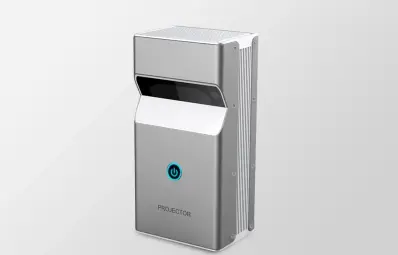
DP01 Ultra-Short-Throw Interactive

Ultra-short-throw 100-inch Full HD image with interactive touch module on Android 9. Purpose-built for Sunday-school classrooms and interactive teaching walls.

View model

Outfitting a large or high-brightness sanctuary?

When the room needs more than 800 ANSI lumens, lens-shift control, or long-throw engineering-grade hardware, send room dimensions, screen size, ceiling height, and ambient-light conditions via the RFQ. Engineering recommends a platform against those measurements rather than over-selling a compact model.
Multi-Site & Bulk

Supplying a denomination, district, or distributor

Church procurement is rarely a single unit. These programs follow the same OEM discipline as commercial deployments.

Identical units across campuses

Standardize one validated platform per room type so spare parts, remotes, training, and troubleshooting stay consistent across every site.

Custom branding

Denomination or reseller branding on units, welcome screens, manuals, and packaging for distributors serving the worship market.

Accessory planning

Matching mounts, cables, spare remotes, and on-site spares kitted per site before the rollout ships.

Volunteer-friendly setup

Pre-configured inputs, simple default home screens, and clear quick-start documentation for non-technical operators.

Church Buyer FAQ

Church projector questions answered

How many lumens does a church projector need?
It depends on ambient light and screen size rather than room capacity. Controlled-lighting rooms can run on a few hundred ANSI lumens; daylight sanctuaries with large screens need far more. Send your room dimensions and lighting conditions and engineering will match a platform instead of guessing.
Which of your models suits a permanent sanctuary install?
Ceiling-install-listed smart platforms like the GP94B and the sealed-engine GP95-GTV fit fixed meeting and fellowship spaces. Large sanctuaries beyond their brightness class are scoped through a custom high-brightness RFQ.
Can projectors be ceiling mounted in a high church ceiling?
Mounting geometry is planned from ceiling height and throw distance. Heavy-duty mount options and long-throw configurations are handled as part of a deployment quote rather than sold as a generic accessory.
Do you supply multiple churches or campuses in one order?
Yes. Multi-site and district programs are quoted with standardized models, site-specific accessory kits, consolidated shipping, and documentation for each receiving team.
Can units carry our church network or reseller branding?
Private-label options cover boot screens, packaging, and manuals for distributor and denomination procurement programs; NDA terms protect all parties.
What warranty and spare-unit planning applies?
Warranty terms and spare-unit ratios are quoted per model and market. Mission and multi-site buyers typically pre-plan one spare per standardized room type.

Get a model shortlist for your church project

Include room type, screen size, lighting conditions, quantity, and whether the order is one site or multi-site. A sales engineer responds, typically within 12 business hours, with realistic model options.
Your Cart
Your experience on this site will be improved by allowing cookies Cookie Policy