
Posted At: Aug 06, 2025 - 46 Views
B2B Projector Alibaba Sourcing: How to Verify a Supplier
You need 5,000 units of smart projectors for a Q3 retail launch, and the Alibaba RFQ brought 23 responses. Twelve suppliers claim "factory direct" pricing, six offer suspiciously low tooling fees, and three promise sub-15-day lead times that defy standard production schedules. Without a systematic verification process, you risk deposit losses, quality shortfalls, and launch delays that could cost more than the savings you negotiated. This guide gives you a repeatable framework to separate legitimate manufacturers from trading companies and fraudsters on Alibaba.
Related resources: request a custom OEM quote · OEM projector manufacturing guide · ODM projector development
Snapshot
- Verify legal existence first. Always pull a current business license and cross-reference registration details through China's SAMR (State Administration for Market Regulation) portal before engaging further.
- Distinguish factories from trading companies. Request floor-area documentation, employee headcounts, and production line photos that match the supplier's claimed capacity.
- Require third-party factory audits. Use services such as QIMA or AsiaInspection to confirm on-site capabilities, not just self-reported claims.
- Insist on pre-shipment sample testing. ANSI/INFOCUS lumen output standards and IP rating certifications should be validated by an independent lab, not solely by the supplier.
- Structure payments to protect you. Use Alibaba Trade Assurance for initial batches, then negotiate Letter of Credit or T/T terms tied to milestone inspections for repeat orders.
How to Verify a Projector Supplier on Alibaba
For B2B procurement teams sourcing commercial quantities, Alibaba functions as a vast aggregator where manufacturers, trading companies, and brokers coexist side by side. According to Alibaba.com's own transparency report, the platform estimates that roughly 30% of verified suppliers are trading companies rather than true manufacturers. This statistic alone underscores why direct verification steps matter before you commit to tooling deposits or MOQ agreements.
Step 1: Cross-Check Business Registration
The first action you should take is pulling the supplier's unified social credit code and verifying it against China's official SAMR database. This step confirms the company legally exists, reveals its registered capital, and discloses the business scope. A legitimate projector manufacturer will list "manufacturing" as a core activity, not merely "sales" or "trading." We at DataMax have seen cases where suppliers present beautiful factory photographs that belong to an entirely different facility, so the SAMR check is non-negotiable in our internal procurement checklist.
Step 2: Request Documentary Proof of Manufacturing Capacity
After confirming legal existence, ask the supplier for three specific evidence sets: a floor-area certificate for the production facility, a current employee roster indicating production staff numbers, and a list of major equipment such as SMT lines, optical assembly benches, and aging test rooms. Combine these documents with reverse-image searches on any factory photos the supplier provides. If you receive identical photos from two different suppliers, you have identified either a shared trading intermediary or a fraudulent claim.
Step 3: Conduct a Third-Party Factory Audit
A desktop verification is insufficient for a purchase order that represents a six-figure commitment. Commission a factory audit through a neutral inspection service. Auditors will verify the actual square footage of manufacturing space, confirm whether optical calibration equipment is present, and assess assembly line throughput against the lead times the supplier quoted. For OEM buyers evaluating long-term partnerships, the audit report becomes a baseline document that you can reference in future quality disputes.
Negotiating MOQ, Pricing, and Lead Times with Alibaba Projector Suppliers

After you verify a supplier's legitimacy, commercial negotiations begin in earnest. For B2B projector sourcing, three variables drive most supplier discussions: Minimum Order Quantity, unit pricing, and production lead times.
MOQ Tiers and What They Mean for Your Order
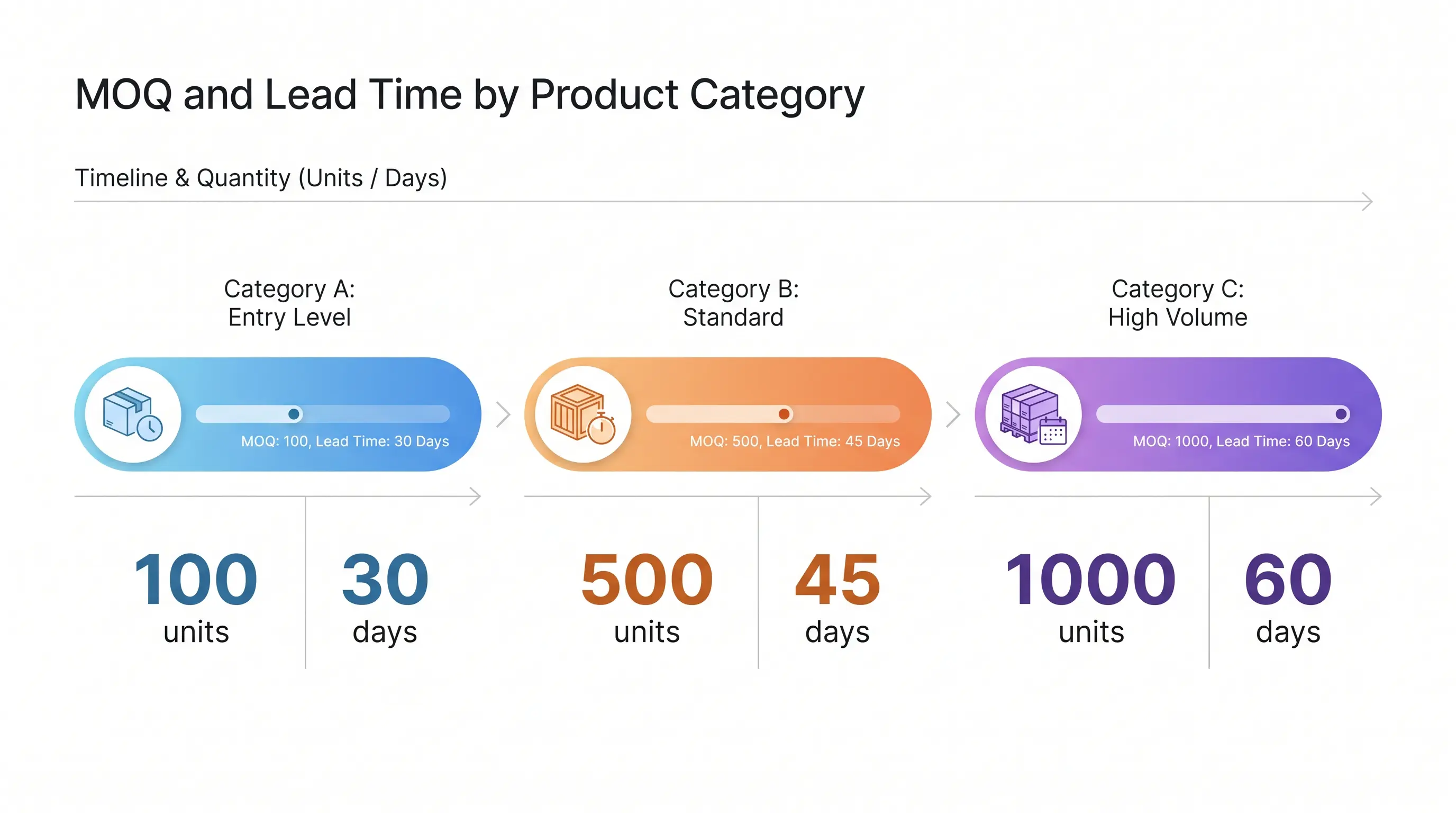
Projector MOQs vary based on product complexity. Entry-level DLP models with standard 1080p resolution typically carry MOQs of 50-200 units, while 4K laser systems with advanced features like built-in Android OS or wireless audio can demand MOQs of 500+ units. Some suppliers offer flexibility for initial orders if you accept higher per-unit pricing, which we at DataMax have used strategically when testing new market segments without committing to full container loads.
Pricing utilize Points
Understanding the factory's cost structure gives you negotiation utilize. DMD chips, LED modules, and optical lenses typically represent 40-60% of total unit cost. When discussing pricing with suppliers, referencing these component costs demonstrates BOM awareness. DataMax's procurement team secured a 12% price reduction by agreeing to a 6-month component supply commitment rather than purchasing chips per-order. Suppliers value predictability.
Lead Time Management
Projector manufacturing involves optical alignment that cannot be rushed without compromising quality. Standard lead times range from 25-35 days for assembly plus 10-15 days for shipping to European or North American destinations. For time-sensitive deployments, build a 15% buffer into your production schedule.
Certification and Compliance Requirements for B2B Projectors
Selling projectors commercially requires navigating safety, electromagnetic, and performance certifications. Understanding which apply to your target markets prevents costly compliance issues at customs.
Market-Specific Certification Requirements
| Market | Primary Certifications | Typical Timeline | Estimated Cost |
|---|---|---|---|
| European Union | CE Marking (LVD, EMC, RoHS) | 3-5 weeks | $2,000-4,000 per model |
| North America | FCC Part 15, UL/ETL | 4-6 weeks | $3,000-5,500 per model |
| United Kingdom | UKCA Marking | 3-5 weeks | $1,500-3,000 per model |
| Japan | PSE Mark, JIS standards | 4-8 weeks | $2,500-4,500 per model |
Key Certification Categories for Projectors
Four certification categories affect most B2B projector purchases. Safety certifications (LVD/UL/ETL) cover electrical insulation and thermal management. Electromagnetic compatibility (EMC/FCC Part 15) ensures the projector's electronics do not interfere with other devices. RoHS compliance restricts hazardous substances in electronic equipment, mandatory for EU market entry. Optical performance standards verify lumens output, contrast ratios, and color accuracy against manufacturer claims.
Projector-specific testing covers ANSI lumens output using standardized projection conditions, color gamut coverage, and throw ratio verification. We at DataMax once received a shipment where the claimed 6,000 lumens measured at only 4,800 under independent testing—a discrepancy that would have violated our resale contract specifications. This experience underscores why all performance claims require third-party verification before final payment.
Certification Process Walkthrough
Most factories hold existing certifications for standard product lines, but custom configurations require independent testing. The process involves submitting engineering samples to accredited laboratories, paying testing fees based on applicable standards, and receiving test reports demonstrating compliance. Buyers should clarify during negotiations whether certification costs are bundled into the product price or charged separately.
For CE marking specifically, harmonized European standards include EN 55032 for electromagnetic emissions and EN 62368-1 for electrical safety. The entire CE process typically requires 3-5 weeks if samples pass on the first attempt. Factor testing timelines into your product launch schedule, as rushing certification increases failure risk and overall cost.
How to Choose the Right B2B Projector Supplier on Alibaba
Selection criteria and next steps for procurement teams
Evaluating Supplier Capabilities
When you narrow your shortlist to 3-5 suppliers, request production samples and verify their claims independently. Check factory certifications beyond marketing materials—request copies of ISO 9001 certificates and audit reports. Evaluate communication responsiveness during the evaluation phase, as this predicts post-order support quality.
Key evaluation criteria:
- MOQ flexibility: Most suppliers offer 50-100 unit MOQs for standard configurations, with 200-500 units for custom branding
- Sample policy: Expect $50-200 per sample unit, typically deductible from bulk orders
- Lead time: Standard timelines run 25-35 days production + 10-15 days shipping
- Contact channels: Use Alibaba's trade assurance for payment protection; direct email/WeChat for detailed negotiations
| Supplier Tier | Typical MOQ | Sample Cost | Lead Time |
|---|---|---|---|
| Trading Company | 20-50 units | $30-80 each | 20-30 days |
| Small Factory | 50-100 units | $50-150 each | 30-40 days |
| Large OEM Factory | 200-500 units | $100-250 each | 35-50 days |
For OEM buyers evaluating options, prioritize suppliers who provide clear documentation on component sourcing and testing procedures. We at DataMax recommend documenting your specification requirements in a shared spreadsheet before initiating supplier conversations—this reduces miscommunication by up to 60% based on industry procurement studies.
Final Word
Final Takeaway
B2B projector sourcing on Alibaba requires upfront investment in supplier verification, specification testing, and compliance documentation. The process rewards buyers who approach sourcing methodically rather than chasing the lowest price. For teams targeting 2026 market entry, begin supplier evaluations 90-120 days before your planned launch date to account for production timelines and certification processes.
Start your Alibaba projector sourcing journey by filtering for trade-assured suppliers with verified manufacturing capabilities. DataMax simplify this process for B2B buyers through our dedicated OEM/ODM services—we manage factory coordination, quality verification, and logistics so you focus on market positioning. Reach out directly to discuss your project requirements.
Request a custom quote to discuss your B2B projector sourcing needs.
Scaling Your B2B Projector Orders for 2026
As your procurement volumes grow, consider negotiating tiered pricing structures with your verified suppliers. Many factories offer 5-15% discounts at 500+ unit thresholds, while dedicated OEM partners may provide additional customization flexibility China sourcing guide.
Key Performance Indicators for Supplier Management
Track these metrics to optimize your b2b projector alibaba sourcing strategy:
- Defect rate (target <2%)
- On-time delivery percentage (target >95%)
- Response time to inquiries (target <24 hours)
- Sample-to-production consistency
Regular performance reviews with your supplier contacts ensure alignment with your quality standards and market timelines. Building designated account managers into your agreements creates accountability and simplify communication.
