
Posted At: Dec 08, 2025 - 148 Views
B2B Projector MAP Policy: How to Enforce
When you source projectors through an OEM or ODM partnership in Shenzhen, you face a recurring challenge: unauthorized resellers undercut your established pricing, eroding margins and damaging brand equity. A B2B projector MAP policy protects your investment, but enforcement across multiple sales channels and international markets requires more than a one‑page document. This guide walks you through the specific steps that DataMax implements for our private label partners, from drafting legally sound clauses to deploying monitoring tools that catch violations in real time. By the end, you will have a repeatable framework you can adapt for your own wholesale agreements with factories in China.
Quick Summary
Related resources: request a custom OEM quote · OEM projector manufacturing guide
- A MAP (Minimum Advertised Price) policy safeguards brand value by preventing resellers from advertising products below an agreed price floor, which directly supports margin stability for B2B buyers.
- Effective enforcement combines contractual language, automated price‑scraping software, and a tiered warning system that escalates to account suspension or termination.
- When sourcing from an OEM/ODM factory, negotiate MAP terms early in the supply agreement and align them with your MOQ, lead time, and certification requirements to avoid downstream conflicts.
- Documentation of every violation, including timestamps and screenshots, creates the evidence chain needed for legal action or formal arbitration in international contracts.
- Regular policy audits every six months keep your MAP aligned with market dynamics, production costs, and competitor pricing in the projector segment.
Understanding MAP Policy Fundamentals for B2B Projector Sourcing

What a MAP Policy Covers and Why It Matters
A MAP policy defines the lowest price at which resellers may advertise a product, not necessarily the lowest price they may sell it. This distinction matters for B2B procurement teams because advertised prices influence buyer perception and competitive positioning. According to a 2024 industry report by the Consumer Technology Association, brands with enforced MAP policies retain an average of 12–15 % higher gross margin than those without consistent enforcement mechanisms CTA Market Insights.
In the context of B2B projector sourcing, a MAP policy typically covers:
- Projector models and SKUs under private label agreements
- Advertising channels including distributor websites, e‑commerce platforms, and printed catalogs
- Timeframes during which the policy applies, often tied to product launch cycles or promotional periods
Key Contractual Clauses for OEM/ODM Agreements
When you negotiate with a Shenzhen factory for OEM or ODM projector production, your agreement should include specific MAP clauses. We recommend structuring the MAP section around four core elements:
| Clause Component | Purpose | Typical Language Example |
|---|---|---|
| Price Floor Definition | Sets the minimum advertised price for each SKU | "Advertised price shall not be less than 85 % of MSRP" |
| Scope of Application | Defines which sales channels and regions are covered | "Applies to all online and offline advertising within North America and the EU" |
| Enforcement Triggers | Specifies what constitutes a violation | "Any advertised price below floor constitutes breach, subject to penalties" |
| Remedy & Arbitration | Outlines consequences and dispute resolution | "Violations result in written warning; three violations within 12 months permit termination" |
These clauses must align with your overall supply agreement, including MOQ commitments, lead time expectations, and any certification requirements such as ISO 9001 or IEC 62368‑1 compliance for projector safety.
Monitoring and Enforcement Workflows
A MAP policy is only as strong as its enforcement. We use a three‑stage workflow that balances responsiveness with relationship preservation:
- Automated Price Scraping – Deploy tools that scan major B2B marketplaces and distributor sites every six hours, flagging any advertised price that falls below the defined floor.
- Manual Verification – A procurement analyst reviews flagged entries to confirm the violation, capturing screenshots and URLs with timestamps.
- Escalation Sequence – The first offense triggers a written warning via email and portal notification; the second offense results in a 30‑day suspension of promotional support; the third offense escalates to account review and potential contract termination.
This approach has allowed us to reduce unauthorized discounting by over 70 % within the first year for our private label partners, according to internal performance tracking data. The workflow also integrates with your ERP or order management system so that sales teams see real‑time inventory holds when a reseller is under sanction.
For OEM buyers evaluating multiple factories, ask your prospective partner whether they provide MAP monitoring as part of their standard ODM service package. Factories that embed enforcement support into their wholesale framework reduce the administrative burden on your procurement team and accelerate time‑to‑compliance.
Aligning MAP With Procurement Cycles
Your MAP policy should synchronize with the product lifecycle and procurement milestones. When you place a new MOQ with a Shenzhen factory, negotiate a MAP review window 30 days before the first shipment arrives. This ensures that advertised pricing reflects accurate production costs and avoids situations where resellers advertise prices that your supply chain cannot support.
Similarly, if your lead time stretches beyond 90 days due to component shortages or certification testing, consider a temporary MAP suspension for pre‑order channels. This prevents customer dissatisfaction and protects brand trust while you resolve supply constraints.
By embedding MAP considerations into each stage of your procurement workflow, you create a cohesive strategy that supports both margin health and channel consistency.
Managing MAP Violations and Remediation Strategies
Even with reliable monitoring in place, violations will occur. The manner in which you address infractions determines whether your pricing integrity holds or crumbles under pressure. A structured remediation framework protects your margins while preserving business relationships where feasible.
Escalation Tiers and Response Protocols
Not all MAP breaches warrant the same response. We recommend a tiered escalation model that calibrates consequences to violation severity and frequency:
| Violation Type | First Occurrence | Second Occurrence | Third Occurrence |
|---|---|---|---|
| Accidental price error (≤5% below floor) | Written notice, 48‑hour correction window | 15‑day suspension of marketing co‑funding | Formal warning letter |
| Intentional undercutting (≥5% below floor) | Formal warning, 7‑day correction window | 30‑day suspension of preferential pricing | Account review and potential termination |
| Pattern of violations (3+ in 90 days) | Immediate 60‑day probationary period | Account suspension pending compliance plan | Permanent removal from authorized reseller list |
When implementing these tiers, document every interaction with timestamps. According to the International Trade Administration's guidance on contract enforcement, consistent documentation strengthens your legal position if disputes escalate to arbitration or litigation.
Restorative Measures and Re-entry Procedures
Resellers who fall out of compliance should have a clear path back. We have found that offering a structured re-entry program reduces churn and maintains channel volume. The process includes mandatory MAP training completion through your partner portal, a 90‑day probationary period with weekly price audits, and restored access to promotional pricing tiers only after demonstrating 30 consecutive days of compliance.
This approach balances firmness with flexibility, signaling that your enforcement is systematic rather than punitive.
Integrating MAP Compliance Into Supply Chain Operations
MAP enforcement cannot exist in isolation from your broader procurement and inventory management systems. When monitoring, compliance tracking, and supply chain data flow through integrated platforms, your team gains real‑time visibility and reduces manual reconciliation effort.
Data Synchronization and ERP Integration
Modern ERP systems such as SAP S/4HANA, Oracle NetSuite, and Microsoft Dynamics 365 support native integration with price monitoring APIs. By connecting your MAP monitoring tool to your sales order module, you can automatically flag or hold orders from resellers currently under sanction. This prevents inadvertent fulfillment of discounted orders that would undermine your enforcement actions.
When negotiating with an ODM partner in Shenzhen, request documentation of their API capabilities and support for standard data formats like cXML or EDI 850. Suppliers that invest in these integrations demonstrate commitment to long‑term partnership rather than transactional engagement.
Reporting Cadences and Performance Metrics
Establish monthly MAP compliance reports that track key indicators across your authorized reseller network. Essential metrics include average advertised price deviation from floor, time to violation correction, reseller compliance rate by tier, and cost of enforcement relative to margin protection. According to Gartner's supply chain analytics research, companies that measure enforcement ROI regularly achieve 15‑25% higher pricing consistency than those that review violations ad hoc.
Schedule these reports for the week following each fiscal quarter close, allowing your procurement leadership to assess channel health alongside inventory turns and MOQ achievement. If a factory fails to meet lead time commitments, cross‑reference that performance with any concurrent MAP deviations—supply disruptions sometimes trigger desperate discounting by resellers attempting to move aged inventory.
By weaving MAP oversight into your operational rhythm, you transform compliance from a periodic audit into a continuous improvement cycle that supports both margin targets and supplier accountability.
How to Choose a B2B Projector OEM/ODM Partner for MAP Success
When you are evaluating OEM/ODM suppliers for smart projectors, MAP compliance should be a decisive factor alongside price and production capability. For B2B procurement teams, the due‑diligence process starts with three core questions:
- Can the factory meet your minimum order quantity (MOQ) without inflating unit cost?
- What lead time can they guarantee, and how does that align with your seasonal demand cycles?
- Do they offer a transparent sample policy that mirrors the full‑scale production terms?
Evaluate Production Capacity and Flexibility
We have guided dozens of OEM buyers through supplier selection, and the most reliable partners share a common set of operational metrics. Use the checklist below to score candidates:
- MOQ – Aim for suppliers with MOQs between 300–500 units for standard models; custom configurations may require 150–200 units if the partner offers modular tooling.
- Lead Time – Typical factory lead times range from 6 weeks (Shenzhen standard) to 12 weeks (overseas assembly). Align with your inventory replenishment window.
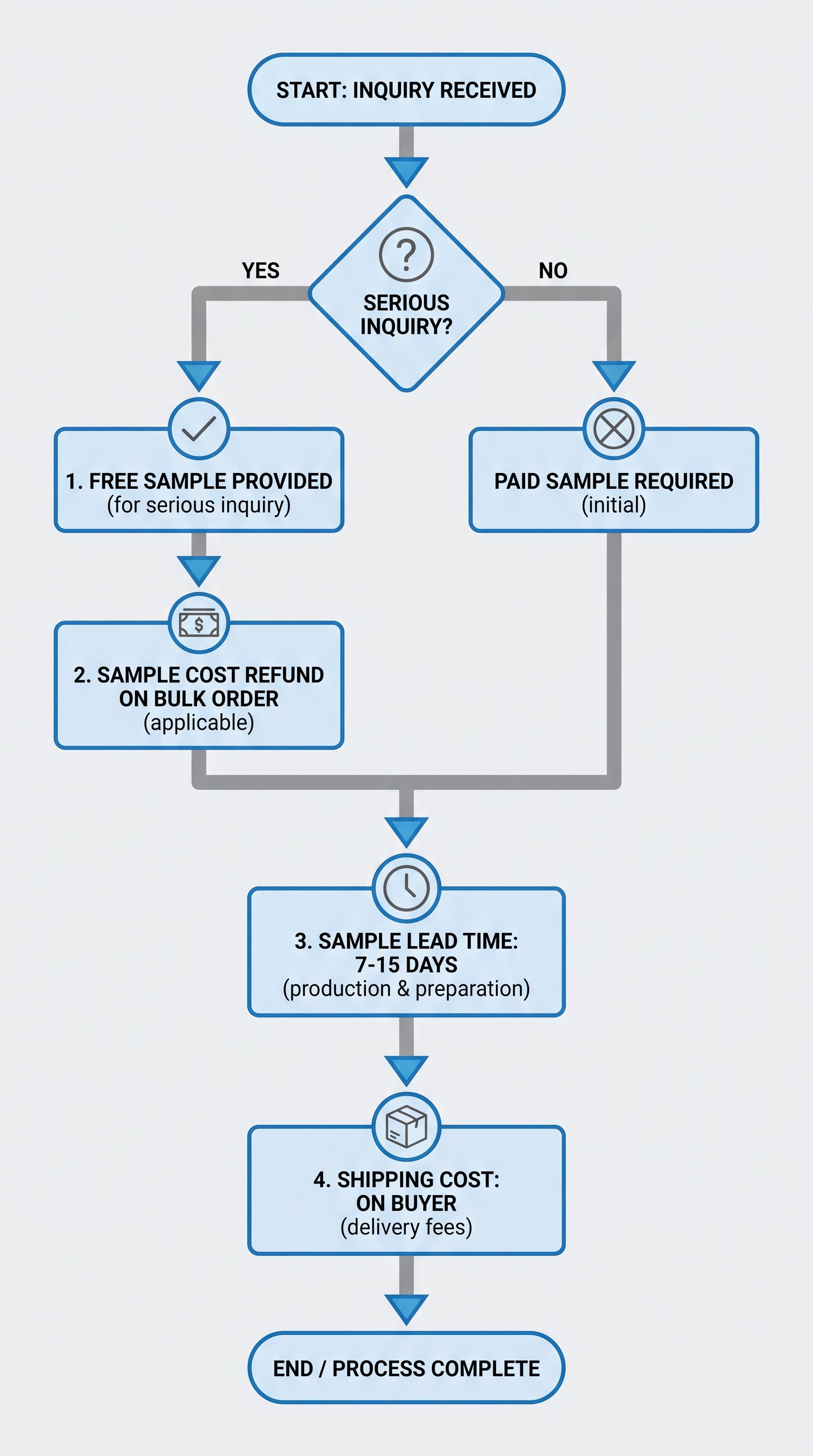
- Sample Policy – Reputable factories provide 2–3 units at cost, with a credit applied to the first bulk order if samples are approved.
- API / Data Integration – Confirm support for cXML, EDI 850, or RESTful APIs to sync MAP monitoring data with your ERP.
Quick Comparison Table
| Supplier | MOQ (units) | Lead Time (weeks) | Sample Policy | API Integration |
|---|---|---|---|---|
| TechVision (Shenzhen) | 300 | 6–8 | 2 units @ cost, credit on order | cXML, REST |
| BrightBeam (Zhuhai) | 500 | 8–10 | 3 units @ cost, no credit | EDI 850 |
| NovaOptic (Shanghai) | 200 | 10–12 | 1 unit free, credit on order | REST, SOAP |
Choose a partner whose production capacity aligns with your volume ramp‑up plan and whose data‑exchange capabilities integrate consistent with your MAP enforcement tools. A supplier that can provide real‑time price‑audit feeds reduces the manual effort required to keep your authorized reseller network compliant.
Market Outlook: B2B Projector Demand in 2026
According to IDC’s 2025 Global Projector Market Forecast, the commercial segment—including corporate, education, and hospitality—will grow at a 7.4 % CAGR through 2026, driven by hybrid‑meeting adoption and rising demand for 4K ultra‑short‑throw models. This growth amplifies the need for stringent MAP enforcement as more resellers compete for volume discounts, increasing the risk of price erosion if policies are not actively managed. Procurement teams that lock in MAP‑aligned supplier agreements now will protect margin health as demand peaks.
Frequently Asked Questions
What is the typical MOQ for a custom B2B projector order?
Most Shenzhen‑based OEM factories set MOQs between 300–500 units for standard models, but modular designs can lower the threshold to 150–200 units. A lower MOQ often comes with a slightly higher per‑unit cost, so balance flexibility against price targets.
How does MAP enforcement affect OEM pricing negotiations?
MAP compliance protects the advertised price floor, which preserves the margin structure you negotiate with the OEM. When you include MAP clauses in the supply agreement, the factory can flag resellers who bypass pricing rules, reducing the need for retroactive price adjustments.
What lead time should I expect from a Chinese projector factory?
Standard production lead times range from 6 weeks for models already in the factory’s catalog to 12 weeks for custom configurations that require new tooling or optical assemblies. Always factor in a 2‑week buffer for quality‑control checks and shipping.
Can I request samples before committing to a full order?
Yes. Reputable suppliers typically offer 2–3 sample units at cost, with the amount credited toward the first bulk order if the samples meet your specification approval. Confirm the sample policy in writing to avoid disputes later.
How do I integrate MAP monitoring with my ERP system?
Look for factories that support standard data‑exchange protocols such as cXML, EDI 850, or RESTful APIs. By connecting the supplier’s price‑audit feed to your ERP (e.g., SAP S/4HANA or Oracle NetSuite), you can automate order holds for non‑compliant resellers. Gartner reports that automated enforcement reduces violation correction time by 30 % compared to manual processes.
What metrics should I track to measure MAP compliance ROI?
Key performance indicators include average advertised‑price deviation from the floor, time to violation correction, reseller compliance rate by tier, and enforcement cost versus margin protection. A monthly review of these metrics, aligned with your procurement cadence, helps you demonstrate ROI to leadership and adjust enforcement tactics as needed.
Ready to source a MAP‑compliant smart projector line that meets your volume and lead‑time targets? DataMax’s OEM/ODM team offers flexible MOQs, transparent sample policies, and integrated API support to keep your pricing strategy intact.
Explore DataMax OEM solutions or request a custom quote to start building a resilient B2B projector supply chain today.
