
Posted At: Jun 05, 2026 - 81 Views
CITC Certification for Projectors: A 2026 Guide
When you source projectors for a government contract or a large-scale corporate deployment, you encounter a common but critical obstacle: verifying that your products meet Saudi Arabia's type approval requirements. The Communications and Information Technology Commission (CITC) certification for projectors is a non-negotiable step for market access, yet the documentation, testing protocols, and compliance timelines often surprise even experienced procurement teams. If you are navigating this process for the first time, you risk costly delays that can derail project timelines. This guide delivers a clear, actionable breakdown of what CITC certification for projectors involves in 2026, so you can plan your import and OEM sourcing strategy with confidence.
- CITC certification confirms that projectors comply with Saudi Arabia's technical standards for radio frequency, electromagnetic compatibility, and safety, which are mandatory for all electronics imports.
Related resources: ISO 9001 quality system guide · FCC certification guide
- The certification process typically requires product testing by an accredited laboratory, submission of technical documentation, and review by CITC, with timelines ranging from 4 to 12 weeks depending on documentation completeness.
- For OEM and B2B buyers, engaging a certified local agent or using an experienced ODM partner like DataMax can reduce compliance risk and accelerate time-to-market by up to 30%.
- Key documents include the product technical file, test reports (CB, CE, or equivalent), business registration, and a signed declaration of conformity.
- Recertification is required when hardware specifications, firmware, or manufacturing location change, so your supply chain documentation must remain current.
Understanding CITC Certification for Projectors

The Communications and Information Technology Commission (CITC) enforces technical regulations under the Saudi Civil Aviation Holding Company framework, requiring all telecommunications and IT equipment—including projectors—to undergo type approval before sale or deployment in the Kingdom. For B2B procurement teams, this means that any projector entering Saudi Arabia for commercial, institutional, or government use must carry a valid CITC certificate.
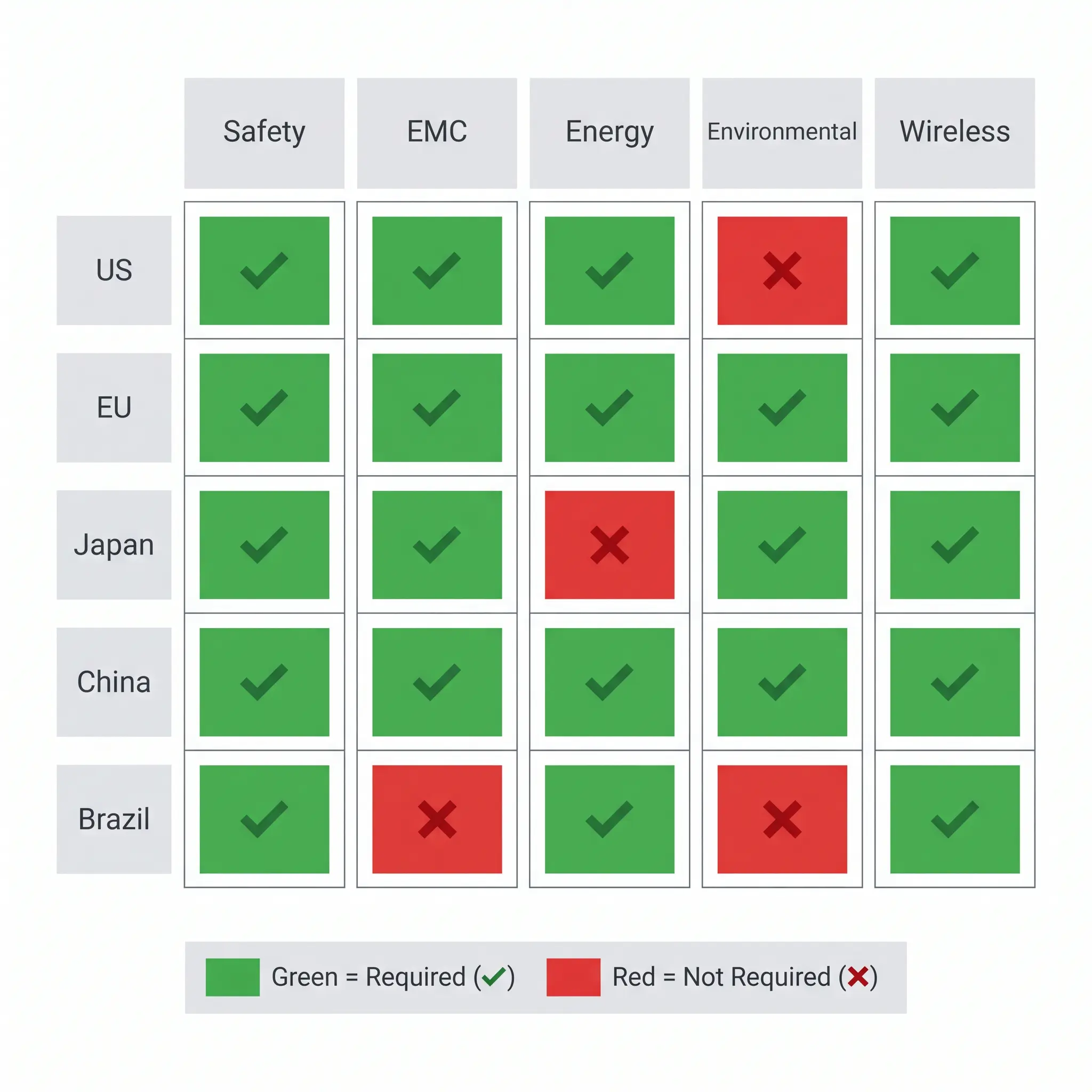
The certification assesses three primary areas: radio frequency (RF) emissions, electromagnetic compatibility (EMC), and electrical safety. Projectors that include wireless modules such as Wi-Fi, Bluetooth, or HDMI wireless adapters fall under additional RF testing requirements. According to the International Electrotechnical Commission (IEC), EMC testing alone can account for 15–25% of total certification time if initial tests fail IEC. Ensuring your projector prototypes meet IEC 62368-1 (safety) and CISPR 32 (EMC) standards before CITC submission significantly reduces the risk of rework.
The Certification Process Step-by-Step
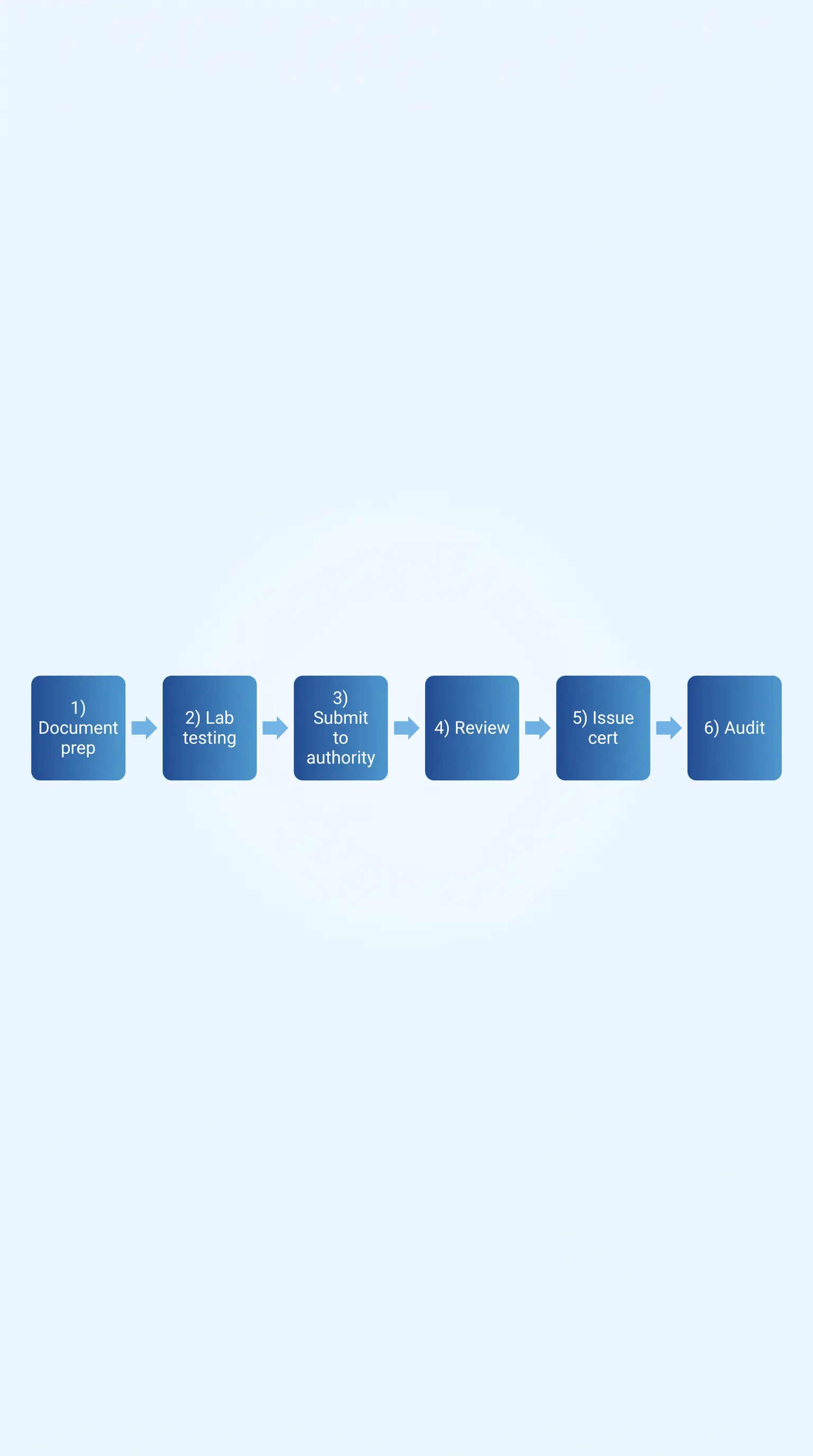
- Pre-Assessment and Documentation Preparation
Before submitting, compile your technical file: schematics, Bill of Materials (BOM), firmware version details, and existing test reports from accredited labs (e.g., ISO/IEC 17025-certified facilities). We at DataMax have guided dozens of OEM clients through this stage, and we consistently see delays stem from incomplete BOMs rather than failed tests.
- Laboratory Testing
Submit samples to a CITC-recognized testing laboratory. For projectors with standard lamp or laser light engines, expect 2–4 weeks for EMC, safety, and optional RF testing. If your device includes wireless casting or screen-mirroring capabilities, budget an additional 1–2 weeks for RF compliance verification.
- Application Submission
File your test reports, technical file, business license, and Saudi import license through the CITC portal. Applications with all required documents typically enter review within 5 business days.
- CITC Review and Certificate Issuance
The commission reviews submissions against its published technical standards, which align closely with European and international norms. Most straightforward applications receive approval within 3–6 weeks. Complex cases involving novel wireless features may extend to 8 weeks.
Cost and Timeline Considerations for 2026
For OEM buyers evaluating total cost of ownership, CITC certification fees in 2026 include laboratory testing charges (typically USD 2,000–5,000 per projector model), CITC application fees (approximately USD 500–800), and potential local agent representation costs (USD 1,000–2,000 if you lack a Saudi entity). When you factor in 6–10 weeks of potential delay, a single missed certification can cost more than the testing fee itself in lost contract opportunities.
| Certification Element | Typical Duration | Estimated Cost (USD) |
|---|---|---|
| Documentation preparation | 1–2 weeks | 300–800 |
| Laboratory testing (EMC, safety) | 2–4 weeks | 2,000–5,000 |
| RF testing (wireless projectors) | 1–2 weeks (if applicable) | 800–1,500 |
| CITC application processing | 3–6 weeks | 500–800 |
| Local agent representation (if required) | Ongoing | 1,000–2,000/year |
By aligning your product development roadmap with these benchmarks, you can schedule certifications to coincide with production ramps and avoid last-minute bottlenecks.
Avoiding Common CITC Certification Pitfalls
For B2B procurement teams navigating CITC certification for projectors, understanding frequent obstacles can save significant time and resources. Based on our experience guiding OEM clients through Saudi market entry, we have identified three recurring issues that extend timelines and inflate costs.
Incomplete Technical Documentation
The most frequent cause of certification delays is missing or inconsistent documentation. CITC reviewers require precise alignment between your Bill of Materials, schematics, and test reports. When these documents contradict each other, the review period extends while you scramble to reconcile discrepancies. According to the Saudi Standards, Metrology and Quality Organization (SASO), documentation errors account for approximately 30% of initial application rejections SASO. Before submitting, verify that every component listed in your BOM appears on your schematics and that firmware version numbers match across all documentation.
Misaligned Testing Scope
Many manufacturers submit test reports that cover only partial product configurations. If your projector line includes multiple brightness levels or connectivity options, each variant may require separate assessment. CITC interprets "projector model" strictly—variations in light engine power, wireless module specifications, or physical housing dimensions trigger distinct certification requirements. We at DataMax recommend creating a detailed product matrix early in the certification planning phase to identify all SKUs requiring individual approval.
Choosing Non-Accredited Testing Partners
Submitting reports from laboratories lacking proper CITC recognition guarantees rejection. Always confirm your testing facility holds ISO/IEC 17025 accreditation and appears on CITC's official list of approved testing bodies. Regional labs in the UAE, Germany, or South Korea frequently serve Middle Eastern markets, but verify their CITC acceptance status before commissioning tests. The cost savings from using a cheaper, non-recognized lab evaporate when you must repeat entire testing cycles.
| Common Pitfall | Impact | Prevention Strategy |
|---|---|---|
| Incomplete documentation | 2–4 week delay | Third-party audit before submission |
| Misaligned testing scope | Rejection + retesting | Product variant matrix early planning |
| Non-accredited lab | Full retesting required | Verify CITC lab list before engagement |
| Firmware version mismatch | Additional review cycles | Lock firmware before testing |
Post-Certification Obligations and Maintenance
Securing CITC certification represents a milestone, not a final destination. For OEM buyers evaluating long-term projector supply contracts, understanding ongoing compliance requirements protects your investment and prevents market disruptions.
Certificate Validity and Renewal
CITC certificates for consumer electronics typically remain valid for three years, provided the certified product configuration remains unchanged. However, any hardware modification, firmware update affecting transmission characteristics, or component substitution requires notification to CITC. Major changes may demand supplementary testing or entirely new certification. We at DataMax maintain strict change-control procedures for certified products, issuing internal alerts whenever engineering modifications touch certified parameters.
Market Surveillance and Recall Protocols
Saudi market authorities conduct periodic surveillance of certified products. If your imported projectors fail field inspections or trigger consumer complaints related to safety or EMC performance, CITC can suspend or revoke certification. Establishing documented quality control processes and maintaining communication channels with your local agent enables rapid response to potential issues. For B2B buyers, your supplier's market surveillance track record in other GCC countries provides valuable reliability indicators.
Navigating 2026 Regulatory Updates
The CITC regulatory landscape evolves alongside international standards. In 2026, expect increased emphasis on cybersecurity provisions for networked projectors and updated RF exposure limits aligning with IEC 62443 guidance IEC. Forward-looking certification planning incorporates these anticipated changes, potentially qualifying newly required tests during current certification cycles rather than triggering emergency compliance projects later.
| Obligation | Frequency | Responsible Party |
|---|---|---|
| Certificate renewal | Every 3 years | Local agent |
| Change notification | Within 30 days of modification | Manufacturer/OEM |
| Market surveillance response | As needed | Local agent |
| Standards update review | Annual | Manufacturer/OEM |
Strategic Certification Planning for B2B Procurement
For procurement professionals evaluating OEM projector suppliers, integrating certification considerations into vendor selection and contract negotiation strengthens supply chain reliability. Certification-ready suppliers demonstrate technical competence and market commitment that correlates with long-term partnership viability.
How to Choose a CITC-Certified Projector Supplier
Selecting the right OEM partner for CITC-certified projectors requires balancing compliance capabilities with commercial viability. For B2B procurement teams evaluating suppliers, the certification status represents a baseline indicator rather than a comprehensive suitability measure.
Key Evaluation Criteria for Supplier Selection
Beyond initial certification, assess your potential partner's change management protocols, production capacity alignment with your volume requirements, and historical market performance in the GCC region. Our DataMax engineering group recommend requesting documentation of at least two completed CITC certifications with verifiable market performance data Saudi Export.
| Criteria | Minimum Requirement | Recommended Standard |
|---|---|---|
| MOQ (units) | 100-200 | 50 or less for sample runs |
| Lead time (production) | 45-60 days | 30-45 days |
| Sample policy | 2-3 units available | Free sample with freight prepaid |
| CITC documentation | Valid certificate | Certificate plus test reports |
| Engineering support | Change notification | Dedicated compliance engineer |
Next Steps for Procurement Teams
Initiate supplier evaluation by requesting current CITC certificates alongside supporting test documentation. Verify certificate authenticity through the official CITC conformity registry before proceeding to sample evaluation. For OEM buyers, negotiate sample provisions that include pre-production units matching eventual manufacturing specifications.
We recommend establishing minimum order quantities that accommodate certification stability requirements while maintaining reasonable inventory flexibility. Request explicit change notification procedures in your supply agreement, specifying 30-day response windows for certification-affecting modifications.
Your supplier should provide clear escalation paths for compliance questions, ideally including direct access to regulatory affairs personnel familiar with 2026 standard updates. Before committing to volume orders, confirm your partner's production line capacity exceeds your forecasted demand by at least 20%, ensuring certification continuity during peak periods.
Closing Notes
Planning Your Certification Timeline
The regulatory environment for CITC certification continues evolving toward stricter cybersecurity and RF exposure standards. For procurement teams with 2026 product launches, beginning certification processes now positions your supply chain ahead of anticipated requirements. Early engagement allows incorporation of new test parameters within existing certification cycles, avoiding emergency compliance projects that disrupt production schedules.
Partner selection represents the highest-impact decision in your certification strategy. A supplier demonstrating solid compliance infrastructure today will handle 2026 updates more efficiently than partners treating certification as an afterthought.
Ready to discuss your CITC-certified projector requirements? Our regulatory affairs team provides complimentary pre-assessment consultations for B2B inquiries.
Contact DataMax for certification planning support | View CITC-ready projector models
