
Posted At: Apr 29, 2026 - 85 Views
Hotel Room Projector Supplier: A B2B Hospitality Guide
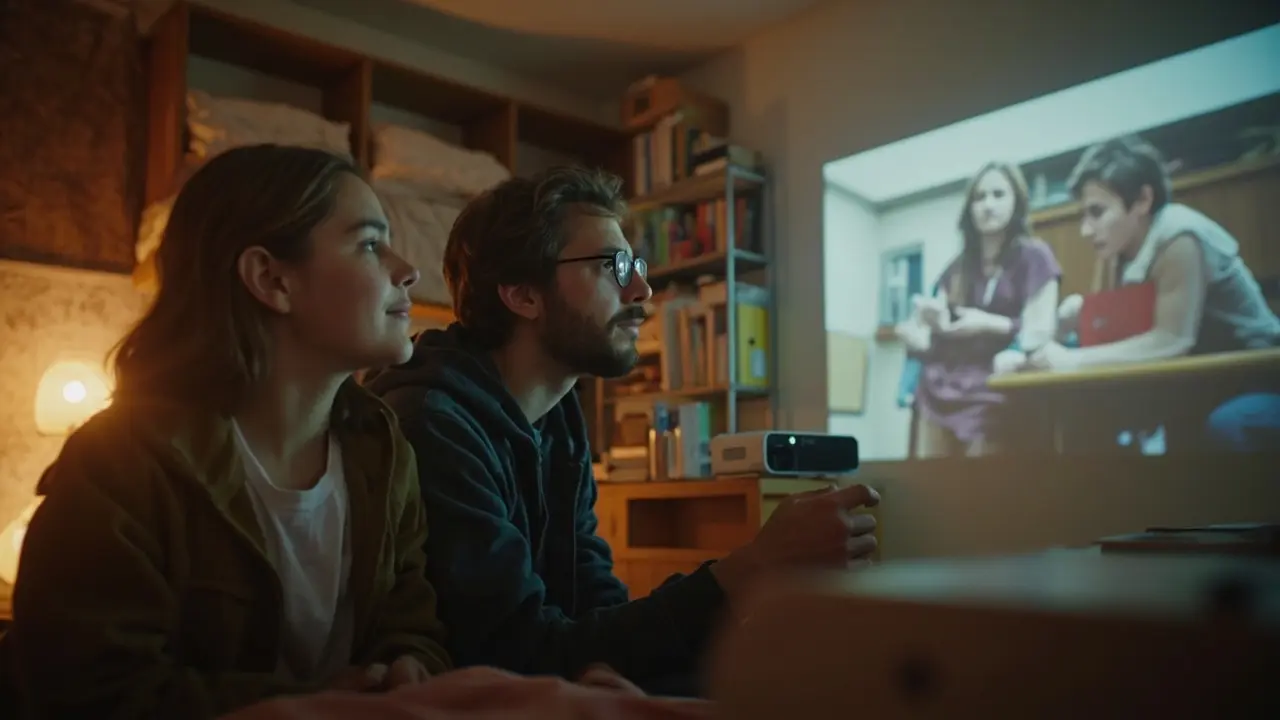
The hospitality market for projectors has shifted from "business center projector" to "in-room entertainment centerpiece." Modern hotels want hotel room projectors that let guests cast their own content (Netflix, YouTube, Disney+) from their phones while maintaining centralized management and branding consistency. For B2B buyers, this is a high-value segment with multi-property deployments and recurring revenue from management services.
The Hotel Projector Market in 2026
Market dynamics:
- Target customer segments: boutique hotels (40%), business hotels (30%), resort/luxury (20%), extended stay (10%)
- Replacement trend: hotels replacing in-room TVs with projectors for "wow factor"
- Common deployment: 100–1,000 rooms per property, 1–50 properties per chain
- Refresh cycle: 5–7 years (long but predictable)
- Annual global volume: ~500K units (smaller but growing 15% YoY)
What Hotel Operators Want
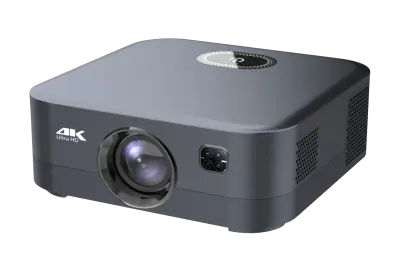
For hotel and hospitality deployments, the GP94B 500ANSI Smart Projector for Hotels with Android 9 is engineered for 24/7 lobby use—Android 9 with hotel-grade boot animations and 500 ANSI brightness for ambient-light rooms.

For entry-level home cinema projects, the GP94A Android Smart Projector for Home Theater gives distributors an Android-native reference design—lightweight, low-heat, and easy to localize under private label.
Five buyer priorities:
- Guest experience — easy casting from any device (iPhone, Android, laptop)
- Centralized management — remote monitoring, OTA updates, content control
- Branding — hotel logo on splash screen, custom welcome message
- Durability — survives 5+ years of daily guest use
- Service — onsite warranty, advance replacement, minimal downtime
The Casting Challenge
The number-one guest complaint about hotel projectors is "I can't cast my Netflix." The challenge:
- Apple AirPlay — works on most consumer projectors but requires network setup
- Google Cast — requires Google-certified Android TV
- Miracast — works on Windows / Android but quality varies
- Hotel WiFi — typically isolated, complex auth (captive portal), may block peer-to-peer
A better OEM solution integrates all three protocols at the firmware level. This requires:
- Android TV or AOSP with casting stack
- AirPlay 2 implementation
- Miracast with WiFi Direct
- Custom welcome / casting instructions
Spec Recommendations for Hotel Room
| Specification | Recommended Value |
|---|---|
| Brightness | 500–1,500 ANSI lumens |
| Resolution | 1080p |
| Light source | LED or laser phosphor |
| Throw ratio | Short throw (0.4:1 – 0.8:1) |
| Operating system | Android with GMS (for Chromecast built-in) |
| Casting | AirPlay 2 + Google Cast + Miracast |
| Audio | 2×5W speakers or audio out for soundbar |
| Connectivity | WiFi 6, BT 5.0, HDMI, USB |
| Auto features | Auto-focus, auto-keystone |
| Welcome screen | Customizable splash + welcome message |
| Management | HTTP API, PJLink, optional cloud management |
| Noise | <28 dB (quiet for bedroom) |
| Warranty | 3-year onsite with advance replacement |
The Welcome Screen
A key hotel differentiator is the welcome screen on first power-on:
- Hotel logo and brand
- "Welcome to [Hotel Name]" message
- WiFi network and password
- Casting instructions
- Checkout time
- Property amenities
- Local restaurant recommendations
Centralized Management
Hotel chains need to manage hundreds or thousands of projectors across multiple properties. The right management solution includes:
- Fleet monitoring — power status, lamp hours, error alerts
- OTA firmware updates — push updates to all projectors or per-property
- Remote diagnostics — log analysis, error reporting
- Settings management — push default settings, splash screen updates
- Content management — welcome messages, splash screens, default apps
Cost of factory platform: typically $1–$5 per projector per month, often bundled in service contract.
The Sound Bar Strategy
Most hotel room projectors do not need premium built-in audio. Guests either:
- Use their own Bluetooth speaker
- Connect to the in-room audio system via Bluetooth or 3.5mm
- Cast directly to a soundbar via AirPlay
OEM Cost for Hotel Projectors
| Class | FOB Cost (1,000 units) | Lead Time |
|---|---|---|
| Entry hotel (500 ANSI, short throw, AOSP) | $80–$140 | 35–45 days |
| Mid hotel (800 ANSI, short throw, GMS Android) | $140–$220 | 40–55 days |
| Premium hotel (1,500 ANSI, short throw, GMS) | $220–$380 | 45–60 days |
The Bulk Deployment Workflow
For a 500-room hotel chain:
- Pilot property: deploy 5–10 units in one property, validate guest satisfaction, refine settings
- Property rollout: 50–100 units per property, phased over 3–6 months
- Chain rollout: 500+ units across all properties, 12–18 month deployment
- Ongoing management: firmware updates, monitoring, replacements
The Hotel Chain RFP
Major hotel chains issue RFPs (Requests for Proposal) for projector deployments. Typical RFP requirements:
- Specific brightness minimums per room type
- Short throw (for compact rooms)
- Specific casting protocols (AirPlay + Google Cast + Miracast)
- Custom splash screen capability
- Multi-year warranty (3–5 years)
- Centralized management platform
- Reference deployments (proof of concept)
- Pricing per unit + service per year
- Implementation timeline
Common Hotel Projector OEM Mistakes
Five pitfalls:
- Weak casting support — guests cannot cast, return rate soars
- Complex guest onboarding — 5-step casting setup drives complaints
- No remote management — IT staff cannot diagnose issues across hundreds of projectors
- Loud fan noise — bedroom environment, sleep disturbance complaints
- Poor OTA update mechanism — security vulnerabilities remain unpatched
The Boutique Hotel Segment
Boutique hotels (40% of the market) have different requirements:
- Design: projector aesthetic matters (visible in the room)
- Branding: custom splash screens are critical
- Volume: smaller deployments (50–200 rooms per property)
- Service: less formal, faster decision-making
- Premium positioning: willing to pay for quality
How to Sell to Hotels
| Channel | Strengths | Weaknesses |
|---|---|---|
| Direct (hotel chain sales) | High margin, deep relationships | Long sales cycle |
| Hospitality AV integrators | Technical installation, established trust | Margin sharing |
| Hospitality procurement platforms (HotelKit, etc.) | Volume, official channels | Low margin |
| Industry conferences (HITEC, BDNY) | Visibility, networking | High marketing cost |
What We Recommend for Hotel Projector OEM Buyers
- Target short throw with AirPlay + Google Cast + Miracast as standard
- Build a centralized management platform (factory-provided or buyer-built)
- Offer custom splash screen services as a value-add
- Specify 3-year onsite warranty with advance replacement
- Bundle service contract ($1–$5 per projector per month) for recurring revenue
Conclusion and Next Step
Hotel room projector supplier is a high-value B2B segment with multi-property deployments and recurring service revenue. Win on casting support, central management, custom branding, and reliability.
💼 Need hotel projector OEM service?
Request a Free Quote | View Product Catalog
We ship hotel-grade short throw projectors with AirPlay 2, Google Cast, and Miracast, plus centralized management platform. Engineering team will recommend the right configuration for your hotel chain within 24 hours.
