
Posted At: Jun 16, 2026 - 108 Views
Light Source Lifetime & Degradation: B2B Projector Guide
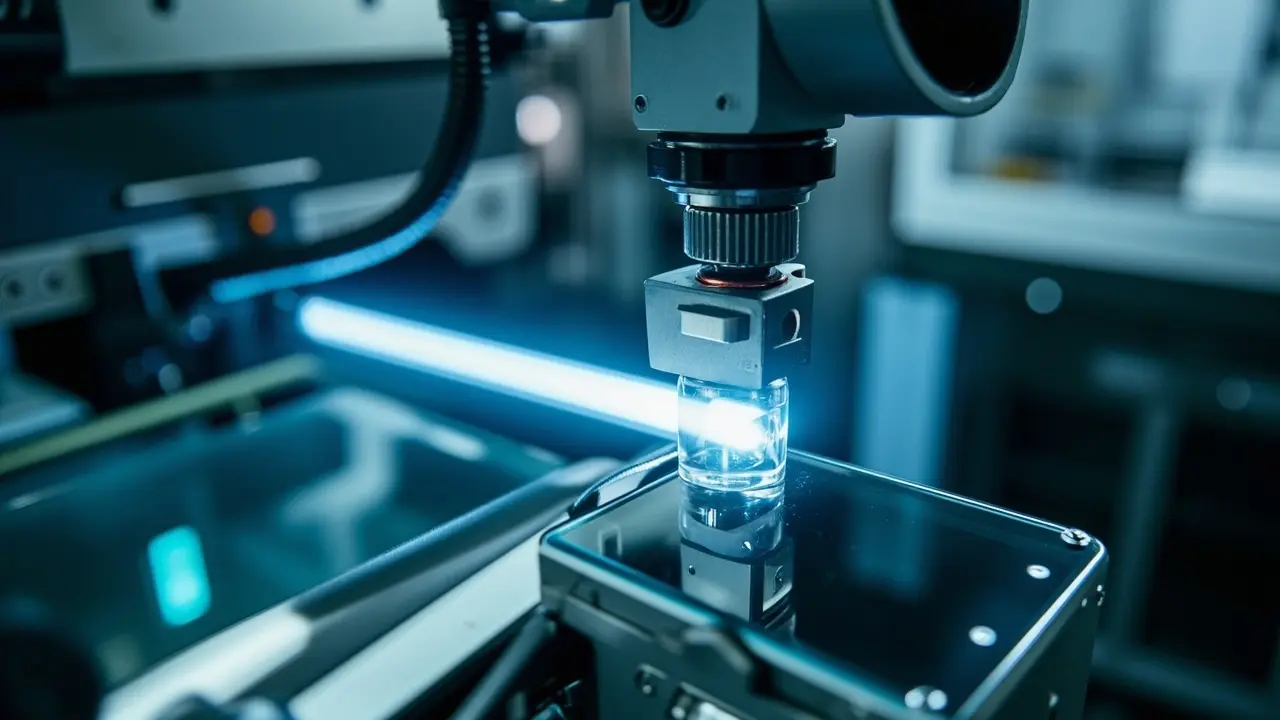
The light source is the highest-wear component in any projector, and its light source lifetime and degradation characteristics directly affect product warranty, TCO, and customer satisfaction. For B2B buyers, understanding lumen maintenance curves, color shift over time, and the difference between rated life and useful life is essential for specifying projectors and supporting customers. This guide explains light source degradation for LED, laser, and lamp technologies.
Why Light Source Lifetime Matters
Light source lifetime affects:
- Warranty exposure: longer life = fewer warranty claims
- Total cost of ownership: lower replacement costs
- Customer satisfaction: less brightness loss over time
- Refresh cycles: enterprise / education decide based on light source
Light Source Technologies and Lifetimes

On the high-brightness side, the GP98 12400 Lumens Smart Projector for Meeting Rooms is our flagship reference platform for ODM partners—laser-phosphor light source with a sealed optical block.
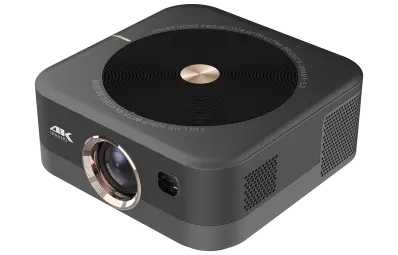
Distributors evaluating the B2B projector market can reference our GP94C Android Smart Projector for Home Theater—a production-validated platform covering Android 9 · 500 ANSI · Built-in Speakers, suitable as an OEM/ODM starting point.
LED (Light Emitting Diode)
- Rated life: 20,000–30,000 hours (eco mode)
- Half-life (50% output): 30,000–50,000 hours
- Color shift: minimal (RGB LED) to noticeable (single white LED)
- Failure mode: gradual dimming, not catastrophic
- Replacement: not user-replaceable
Laser Phosphor
- Rated life: 20,000–30,000 hours
- Half-life: 25,000–40,000 hours
- Color shift: minimal
- Failure mode: gradual dimming
- Replacement: not user-replaceable
RGB Laser
- Rated life: 20,000–30,000 hours
- Half-life: 25,000–40,000 hours
- Color shift: minimal
- Failure mode: gradual dimming
- Replacement: not user-replaceable
Lamp (UHP/UHE/Metal Halide)
- Rated life: 2,000–5,000 hours (eco mode)
- Half-life: 3,000–7,000 hours
- Color shift: significant (cooler over time)
- Failure mode: catastrophic (lamp explosion possible)
- Replacement: user-replaceable, $80–$300 per lamp
Lumen Maintenance Curves
Light source output decreases over time following a curve:
Lumen Output vs Hours (LED example)
100% |**
 90% |    **
 80% |
 70% |                       *
 60% |                                 **
 50% +-----------------------------------------
     0    5K   10K   15K   20K   25K   30K
                Hours of Use
Key points:
- Initial drop: first 1,000 hours may see 5–10% drop
- Steady state: relatively flat middle period
- End of life: more rapid drop near rated life
Rated Life Standards
Industry standards for projector light source lifetime:
- IEC 61947-1: standard for projector lifetime measurement
- Typical rating: 50% of initial output (half-life)
- Brightness specification: measured at initial power-on, not after break-in
- Rated life is to what percentage (50% vs 70%)
- Eco mode vs standard mode vs full brightness
- Measurement methodology (continuous vs intermittent)
Factors Affecting Lifetime
Operating Temperature
Light source lifetime is highly temperature-sensitive:
- Higher temperature = shorter life
- Arrhenius equation: 10°C increase = ~50% life reduction
- Effective cooling is critical
Operating Mode (Brightness)
Lower brightness extends life:
- Eco mode (60–70% output): rated life typically 1.5–2× standard
- Standard mode (100% output): rated life
- Boost mode (110%+ output): rated life 0.7–0.9× standard
Power Cycling
Each power-on/off cycle stresses the light source:
- LED: minimal impact
- Laser: moderate impact (thermal stress)
- Lamp: significant impact (inrush current)
Vibration and Shock
Mechanical stress affects lifetime:
- LED: minimal impact
- Laser: moderate (laser diode alignment)
- Lamp: significant (filament damage)
Color Shift Over Time
Light sources change color characteristics over life:
| Light Source | Color Shift |
|---|---|
| LED (single white) | Yellow-shift over time |
| LED (RGB) | Minimal shift |
| Laser phosphor | Slight blue-shift |
| RGB Laser | Minimal shift |
| Lamp | Yellow-shift + brightness loss |
Field Failure Patterns
How light sources fail in the field:
LED
- Gradual brightness loss (most common)
- Sudden LED failure (rare)
- Color shift (especially single white LED)
- Driver circuit failure (separate issue)
Laser Phosphor
- Gradual brightness loss (most common)
- Phosphor wheel degradation (visible)
- Laser diode failure (rare)
- Color shift (slight blue)
RGB Laser
- Per-channel imbalance (one color fades faster)
- Speckle pattern changes
- Rare catastrophic failure
Lamp
- Catastrophic failure (lamp explosion)
- Significant brightness loss
- Color shift (yellow)
- Frequent replacement needed
OEM Specification Best Practices
When specifying light source in your RFQ:
LIGHT SOURCE SPECIFICATION
Type: LED / Laser phosphor / RGB laser / Lamp
Manufacturer: [e.g., Osram, Nichia, Cree]
Model number: [specific part number]
Initial brightness: ____ lumens / ANSI lumens
Rated life: ____ hours (at what % of initial output?)
Half-life: ____ hours
Color shift over life: ____ Delta E units
Operating modes: eco / standard / boost (with lumen values)
Operating temperature: 0–____°C ambient
Power consumption: ____ W
Replacement: user-replaceable / factory-only
Warranty: ____ hours or ____ years
Warranty Implications
Light source warranty terms vary widely:
| Brand | Light Source Warranty |
|---|---|
| Mainstream consumer | 1 year or 1,000 hours (lamp) / 2–3 years or 10,000 hours (LED/laser) |
| Premium consumer | 2–3 years or 20,000 hours |
| Commercial / education | 3–5 years or 20,000 hours |
| Pro AV | 5 years or 30,000 hours |
Total Cost of Ownership (TCO)
For a 5-year deployment, 8 hours/day, 250 days/year = 10,000 hours:
| Light Source | Initial Cost | Replacement | 5-Year TCO |
|---|---|---|---|
| LED | $50 | $0 | $50 |
| Laser phosphor | $80 | $0 | $80 |
| RGB laser | $200 | $0 | $200 |
| Lamp | $30 | $400 (3 lamps) | $430 |
| Light Source | Initial Cost | Replacement | 5-Year TCO |
|---|---|---|---|
| LED | $50 | $0 (within life) | $50 |
| Laser phosphor | $80 | $0 (within life) | $80 |
| RGB laser | $200 | $0 (within life) | $200 |
| Lamp | $30 | $1,000 (5+ lamps) | $1,030 |
Light Source Suppliers
Major projector light source suppliers:
| Supplier | Country | Specialties |
|---|---|---|
| Osram | Germany | Laser, LED |
| Nichia | Japan | LED, laser diode |
| Cree | USA | LED |
| Luminus | USA | LED, laser |
| Appotronics | China | Laser (ALPD technology) |
| Hamamatsu | Japan | Laser |
| Sony | Japan | Laser (proprietary) |
| Epson | Japan | Lamp, laser |
Common OEM Mistakes
Five pitfalls:
- Quoting theoretical lifetime — not measured in real conditions
- No eco mode — limits useful life significantly
- Cheap light source — field failure rate soars
- Insufficient cooling — light source overheats, life shortened
- Mismatched warranty — warranty longer than realistic life
Brightness Maintenance Specifications
For OEM buyers, specify how brightness changes over time:
BRIGHTNESS MAINTENANCE
Initial output: ____ ANSI lumens
Output at 5,000 hours: ____ ANSI lumens (% of initial)
Output at 10,000 hours: ____ ANSI lumens
Output at 20,000 hours: ____ ANSI lumens
Half-life (50% of initial): ____ hours
Measurement conditions: continuous vs intermittent
Operating mode: eco / standard / boost
How to Verify Light Source Lifetime Claims
Five verification methods:
- Request test reports from factory (long-term aging tests)
- Third-party testing — independent lab measurement
- Field data from existing customers
- Manufacturer specifications from light source supplier
- Independent reviews — long-term usage reviews from journalists
What We Recommend for Light Source Lifetime OEM
- LED or laser phosphor for mainstream consumer (best lifetime)
- RGB laser for premium home theater (color + lifetime)
- Lamp only for legacy / pro-AV where peak brightness is critical
- Specify eco mode default to extend life
- 2–3 year warranty on light source for consumer
- 3–5 year warranty on light source for commercial / education
- Verify with factory test reports before committing to specifications
Conclusion
Light source lifetime and degradation is the most important specification for projector TCO and warranty. LED and laser offer 20,000–30,000 hours of life; lamp offers 2,000–5,000 hours. For OEM buyers, the right light source choice depends on target use case, retail price, and warranty commitment.
💼 Need light source lifetime guidance for your OEM projector?
Request a Free Quote | View Product Catalog
We ship LED, laser phosphor, and RGB laser projectors with verified lifetime data. Engineering team will recommend the right light source for your use case within 24 hours.
