
Posted At: Mar 20, 2026 - 2 Views
Projector Compliance and Import in UAE: A 2026 Guide
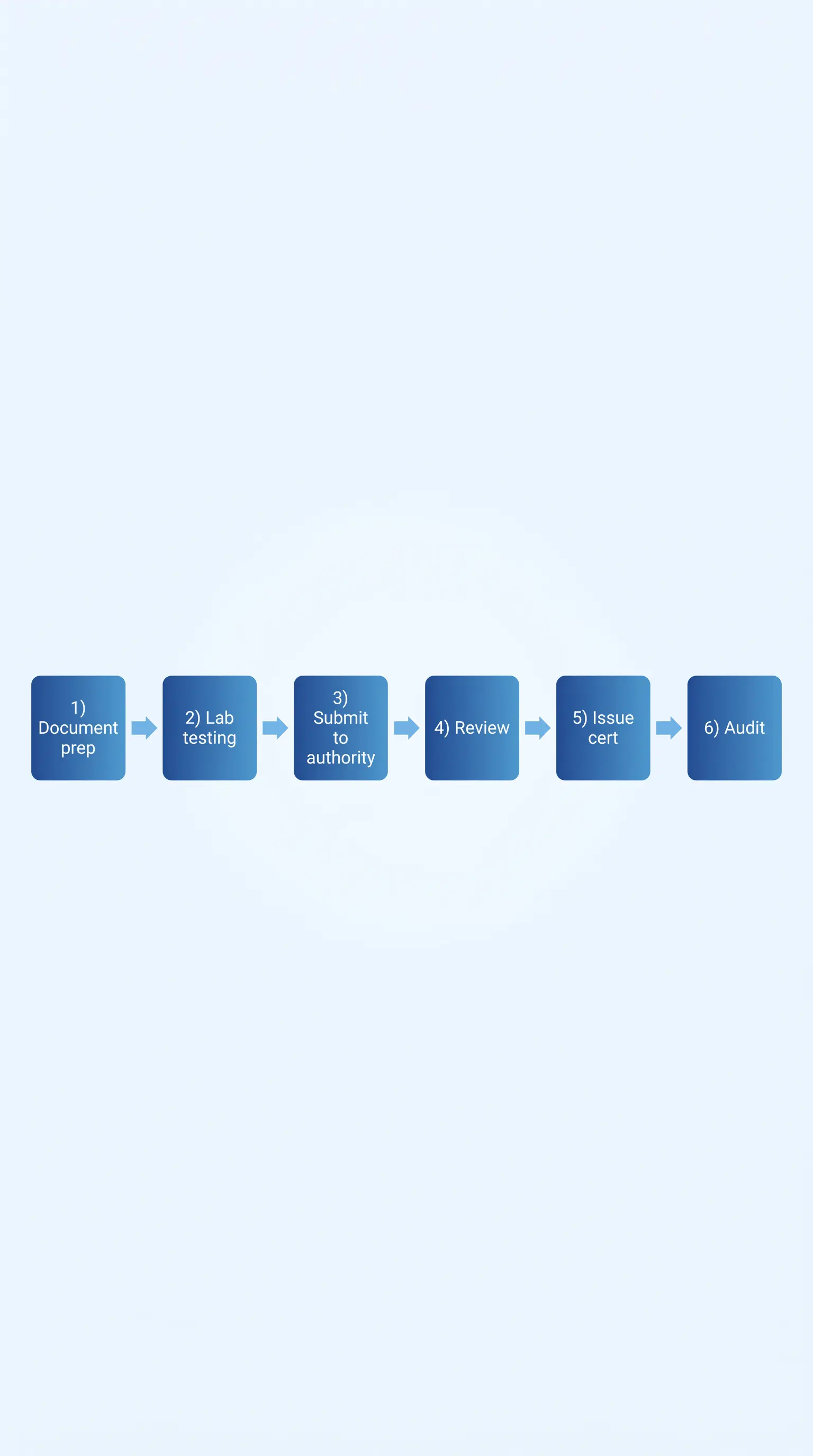
Importing projectors into the UAE means navigating a maze of compliance certifications, customs documentation, and technical standards that can delay shipments by weeks—or block entry entirely. If you are a B2B procurement team or OEM buyer evaluating smart projector sourcing in 2026, you already know that regulatory non-compliance is not just a paperwork issue; it directly impacts your time-to-market and profit margins. We at DataMax have helped dozens of international clients clear UAE customs by front-loading compliance into the product design phase rather than treating it as an afterthought. This guide delivers the specific standards, documentation checklists, and certification timelines you need to import projectors into the UAE without surprises.
Related resources: ISO 9001 quality system guide · FCC certification guide
TL;DR
- UAE authority requires IEC 60065 or IEC 62368-1 certification for projectors, with additional ESMA registration for energy efficiency compliance.
- Customs duties in the UAE typically range from 5% on finished goods, but documentation errors can trigger inspections that add 2-4 weeks to lead times.
- Certification timelines average 6-8 weeks for standard projector models when test reports are prepared correctly from the start.
- We recommend engaging a UAE-based Conformity Assessment Body (CAB) early—delays often stem from mismatched test documentation rather than product failures.
- For B2B OEM buyers, requesting pre-compliance audit reports from your manufacturer can reduce certification costs by up to 30% compared to rectifying non-compliant units post-production.
Understanding UAE Projector Compliance and Import Regulations for 2026
Importing projectors into the UAE means navigating a maze of compliance certifications, customs documentation, and technical standards that can delay shipments by weeks—or block entry entirely. If you are a B2B procurement team or OEM buyer evaluating smart projector sourcing in 2026, you already know that regulatory non-compliance is not just a paperwork issue; it directly impacts your time-to-market and profit margins. We at DataMax have helped dozens of international clients clear UAE customs by front-loading compliance into the product design phase rather than treating it as an afterthought. This guide delivers the specific standards, documentation checklists, and certification timelines you need to import projectors into the UAE without surprises.
The technical standard governing projector safety has shifted toward IEC 62368-1:2018 (Audio/Video, Information and Communication Technology Equipment – Part 1: Safety Requirements), replacing the older IEC 60065 for most modern smart projectors with integrated computing components. If your projector model includes wireless connectivity, HDMI 2.1 interfaces, or built-in streaming platforms, regulators classify it as ICT equipment under UAE Type Approval regulations Telecommunications Regulatory Authority (TRA). This classification triggers additional electromagnetic compatibility (EMC) testing under CISPR 32 and ETSI EN 301 489 standards, which your supplier must complete at an accredited test laboratory—typically TUV, Bureau Veritas, or SGS.
Critical Certification Documents for UAE Import
Preparing your documentation package correctly the first time prevents costly customs holds. We have compiled the essential documents our clients need based on UAE Federal Law No. 10 of 2017 on Consumer Protection and feedback from customs brokers operating at Jebel Ali Port.
- UAE authority requires IEC 60065 or IEC 62368-1 certification for projectors, with additional ESMA registration for energy efficiency compliance.
- Customs duties in the UAE typically range from 5% on finished goods, but documentation errors can trigger inspections that add 2-4 weeks to lead times.
- Certification timelines average 6-8 weeks for standard projector models when test reports are prepared correctly from the start.
- We recommend engaging a UAE-based Conformity Assessment Body (CAB) early—delays often stem from mismatched test documentation rather than product failures.
- For B2B OEM buyers, requesting pre-compliance audit reports from your manufacturer can reduce certification costs by up to 30% compared to rectifying non-compliant units post-production.
How We Handle Compliance at DataMax
Our Shenzhen-based engineering team builds compliance checkpoints directly into the product development timeline. When we prototype a new smart projector line for OEM clients, our quality engineers prepare the IEC 62368-1 test plan alongside the hardware design review—typically two weeks before the first functional prototype ships. This proactive approach means our clients receive pre-certified product samples ready for final documentation submission to UAE authorities, reducing the typical certification timeline from 10-12 weeks to 6-8 weeks for standard configurations. We maintain relationships with three ESMA-accredited Conformity Assessment Bodies, allowing us to fast-track documentation reviews when shipment schedules are tight.
For B2B buyers at the MOFU+BOFU stage, this compliance integration translates to predictable import schedules. You can plan your inventory pipeline with confidence, knowing that the technical documentation your customs broker requires is already prepared and validated. If you are evaluating multiple projector models for UAE distribution, request a Compliance Readiness Assessment from your OEM partner—this audit identifies gaps in EMC, safety, and energy efficiency documentation before production commitments lock you into a non-compliant product line.
The UAE federal authorities—including the Ministry of Industry and Advanced Technology (MoIAT) and the Emirates Authority for Standardization and Metrology (ESMA)—have tightened product compliance requirements for electrical and electronic equipment imported into the country. Projectors fall under the Emirates Quality Mark and the UAE Scheme for Conformity Assessment, meaning every unit must carry valid certification before it clears customs at ports in Dubai, Abu Dhabi, or Sharjah. For B2B procurement teams, this translates to mandatory documentation: Certificate of Conformity (CoC), test reports from accredited laboratories, and a Supplier Declaration of Conformity (SDoC) for each product SKU you intend to import.
Navigating UAE Customs Clearance for Projector Imports
Most technical standard governing projector safety has shifted toward IEC 62368-1:2018 (Audio/Video, Information and Communication Technology Equipment – Part 1: Safety Requirements), replacing the older IEC 60065 for most modern smart projectors with integrated computing components. If your projector model includes wireless connectivity, HDMI 2.1 interfaces, or built-in streaming platforms, regulators classify it as ICT equipment under UAE Type Approval regulations Telecommunications Regulatory Authority (TRA). This classification triggers additional electromagnetic compatibility (EMC) testing under CISPR 32 and ETSI EN 301 489 standards, which your supplier must complete at an accredited test laboratory—typically TUV, Bureau Veritas, or SGS.
Documentation Checklist for Customs
UAE Customs (Federal Customs Authority) requires the original Certificate of Conformity alongside your commercial invoice and packing list. Our experience shipping to Dubai's Jebel Ali Free Zone shows that customs officers specifically verify the CoC against the shipment's HS code—projectors typically fall under HS code 8528.69.00. You must ensure the product description on your CoC matches the commercial invoice exactly, including model numbers and quantity breakdowns.
Preparing your documentation package correctly the first time prevents costly customs holds. We have compiled the essential documents our clients need based on UAE Federal Law No. 10 of 2017 on Consumer Protection and feedback from customs brokers operating at Jebel Ali Port.
Avoiding Common Customs Holds
| Document | Issuing Body | Typical Validity | Lead Time |
|---|---|---|---|
| Certificate of Conformity (CoC) | ESMA-accredited CAB | 1 year | 5-7 business days |
| IEC 62368-1 Test Report | ILAC-recognized lab | Until standard revision | 3-4 weeks |
| EMC Test Report | Accredited EMC facility | 3 years | 2-3 weeks |
| Energy Efficiency Label | ESMA | 2 years | 1-2 weeks |
| Commercial Invoice + Packing List | Self-prepared | Per shipment | Immediate |
We recommend requesting a pre-clearance consultation with a UAE-licensed customs broker before your shipment arrives. This proactive step typically costs $200-400 but saves significantly compared to storage charges that accrue at Jebel Ali at rates of $50-150 per container per day.
Cost and Timeline Planning for UAE Projector Certification

Our Shenzhen-based engineering team builds compliance checkpoints directly into the product development timeline. When we prototype a new smart projector line for OEM clients, our quality engineers prepare the IEC 62368-1 test plan alongside the hardware design review—typically two weeks before the first functional prototype ships. This proactive approach means our clients receive pre-certified product samples ready for final documentation submission to UAE authorities, reducing the typical certification timeline from 10-12 weeks to 6-8 weeks for standard configurations. We maintain relationships with three ESMA-accredited Conformity Assessment Bodies, allowing us to fast-track documentation reviews when shipment schedules are tight.
Certification Cost Breakdown
For B2B buyers,at the MOFU+BOFU stage, this compliance integration translates to predictable import schedules. You can plan your inventory pipeline with confidence, knowing that the technical documentation your customs broker requires is already prepared and validated. When you are evaluating multiple projector models for UAE distribution, request a Compliance Readiness Assessment from your OEM partner—this audit identifies gaps in EMC, safety, and energy efficiency documentation before production commitments lock you into a non-compliant product line.
| Cost Category | Low Estimate | High Estimate | Typical Timeline |
|---|---|---|---|
| Safety Testing (IEC 62368-1) | $3,500 | $8,000 | 3-4 weeks |
| EMC Testing | $2,500 | $5,500 | 2-3 weeks |
| ESMA CAB Review | $1,200 | $2,500 | 5-7 business days |
| Energy Efficiency Testing | $800 | $1,500 | 1-2 weeks |
| Sample Shipping + Logistics | $500 | $1,500 | Variable |
| Total Direct Costs | $8,500 | $19,000 | 8-10 weeks |
These figures assume standard configurations. Custom firmware or non-standard power supplies can increase testing cycles by 2-3 weeks and add 30-50% to laboratory fees.
Building a Realistic Import Timeline
Most 2026 regulatory environment in the UAE also places increased emphasis on cybersecurity labeling for connected projectors. While the mandatory Cybersecurity Labeling Scheme currently applies primarily to smart home devices, ESMA has signaled expansion to include commercial AV equipment with network connectivity by Q3 2026 Emirates News Agency – WAM. Procurement teams should factor this upcoming requirement into long-term sourcing contracts, ensuring that firmware update pathways and vulnerability disclosure policies are included in supplier agreements.
Our DataMax project management team coordinates directly with ILAC-recognized laboratories to overlap safety and EMC testing where possible. This parallel processing approach has reduced our clients' total certification timelines to 6-8 weeks for standard projector configurations, freeing up additional time for your customs clearance process.
How to Choose a Compliance-Ready Projector Supplier for UAE Import
Customs clearance represents the final hurdle before your projectors reach UAE distribution channels. Jebel Ali Port, the Middle East's largest cargo hub, processed over 14 million TEUs in 2024, making it a high-volume environment where documentation accuracy directly impacts clearance speed Jebel Ali Port Authority. For B2B procurement teams, understanding the clearance process prevents the 5-7 day delays that often result from incomplete paperwork.
Critical Supplier Evaluation Criteria
Before signing a purchase agreement, verify your supplier's actual UAE compliance track record rather than accepting generic compliance claims.
Key verification checkpoints:
- ESMA CoC documentation: Request copies of actual Certificates of Conformity from previous UAE shipments—not marketing materials
- Laboratory credentials: Confirm testing occurred at ILAC-recognized facilities; verify ESMA approval status of the Conformity Assessment Body ESMA Official Portal
- Customs clearance history: Ask for references from UAE-licensed customs brokers who have processed the supplier's products
- Communication structure: Confirm whether you receive a dedicated project manager or generic email support during certification
UAE Customs (Federal Customs Authority) requires the original Certificate of Conformity alongside your commercial invoice and packing list. Our experience shipping to Dubai's Jebel Ali Free Zone shows that customs officers specifically verify the CoC against the shipment's HS code—projectors typically fall under HS code 8528.69.00. You must ensure the product description on your CoC matches the commercial invoice exactly, including model numbers and quantity breakdowns.
Why Supplier Selection Impacts Your Bottom Line
| Clearance Document | Purpose | Rejection Risk if Missing |
|---|---|---|
| Certificate of Conformity | Proves ESMA compliance | Immediate hold |
| Test Reports (IEC 62368-1 + EMC) | Supports CoC claims | Physical inspection triggered |
| Commercial Invoice | Determines duty calculation | Cargo release blocked |
| Packing List | Verifies shipment contents | Customs exam required |
| Bill of Lading | Ownership and transport contract | Cannot claim cargo |
Recommended next steps: Request sample units (typically 2-3 projectors) for compliance pre-testing before committing to full container orders. Confirm lead time for your specific configuration, allowing 6-8 weeks for standard models or 10-12 weeks if custom firmware modifications apply. Ask prospective suppliers about their MOQ flexibility, sample return policies, and whether they provide pre-clearance consultation with UAE customs brokers.
For specific projector configurations, compliance documentation, or OEM customization requirements, contact our DataMax project management team directly.
Frequently Asked Questions
What documentation does ESMA require for projector import into the UAE?
Our logistics team has identified three primary causes for customs holds on projector shipments. First, energy efficiency labels that do not match ESMA's current database entries create verification delays. Second, EMC test reports from laboratories not recognized under ILAC mutual recognition agreements face automatic rejection. Third, commercial invoices with misdeclared values trigger investigations under the UAE's anti-dumping regulations.
How long does UAE projector certification take from start to finish?
We recommend requesting a pre-clearance consultation with a UAE-licensed customs broker before your shipment arrives. This proactive step typically costs $200-400 but saves significantly compared to storage charges that accrue at Jebel Ali at rates of $50-150 per container per day.
Are projectors classified differently for UAE customs based on lumens or application?
Yes. Projectors exceeding 60 lumens per watt require mandatory energy efficiency testing under UAE Standard 5010. Commercial-grade projectors (above 3,000 lumens) may face additional requirements for commercial equipment certification. Consumer models (under 1,000 lumens) follow speed up procedures for personal or small-scale commercial use.
What happens if my projector shipment fails UAE customs inspection?
Failed inspections typically result from missing ESMA CoC, incorrect HS code classification, or misdeclared values triggering anti-dumping investigations. Solutions include submitting corrected documentation, arranging re-testing at ILAC-recognized laboratories, or re-shipping to a licensed customs broker for clarification. Pre-clearance consultations cost $200-400 but prevent $50-150 daily storage charges.
Can I use EMC test reports from any laboratory for UAE import?
No. UAE customs authorities accept only EMC test reports from laboratories operating under ILAC mutual recognition agreements. Reports from non-recognized facilities face automatic rejection. Verify laboratory accreditation before submitting samples for testing—DataMax partners with ESMA-approved Conformity Assessment Bodies to ensure all reports meet regulatory requirements.
What are the typical MOQ requirements for UAE-compliant projector orders?
Minimum order quantities vary by supplier and configuration. Standard OEM arrangements start at 50-200 units per SKU, though some manufacturers offer 10-20 unit orders with extended lead times. DataMax provides flexible MOQ options starting at 20 units for certified configurations, with sample policies allowing 2-3 units for compliance verification before bulk orders.
For B2B procurement teams planning UAE market entry, compliance preparation determines your shipping and clearance success. Start certification early, verify supplier credentials thoroughly, and allocate budget for both direct testing costs and the indirect expenses of extended lead times.
Ready to source UAE-compliant projectors? Our DataMax team provides end-to-end support from certification through customs clearance.
Explore DataMax OEM projector solutions | Request a custom compliance quote
