
Posted At: Apr 17, 2026 - 62 Views

Short Throw Projector Market Size and Growth 2026
A B2B procurement lead just asked our sales desk the same question three times this week: "How big is the short throw projector market size and growth 2026, and how fast is it actually expanding?" That repetition tells us what you are also trying to figure out. You need real shipment numbers, OEM pricing context, and category-level technical benchmarks before you commit to a 2026 SKU plan or a private-label run. In this opening section of our B2B market report on the unit, we will walk through the headline demand drivers, the laser phosphor vs UST lens-shift split, and the wholesale pricing bands that matter when you are sourcing from a Shenzhen OEM/ODM factory like DataMax.
Highlights
- Global demand for this projector is tracking a 14-18% CAGR through 2026, driven by UST living-room adoption and education refresh cycles.
- Laser phosphor light engines now hold roughly 62% of unit share inside the projector, up from below 40% in 2021.
- The mainstream wholesale price band inside the SKU sits at $249-$540 FOB Shenzhen for 1080p UST, and $700-$1,150 for native 4K UHD UST.
- For OEM buyers, the typical MOQ inside the model is 500-1,000 units per SKU, with a 10-14 week lead time from PO to ex-works.
- Top certifications gating the unit are FCC, CE-RED, RoHS 2.0, DOE Level VI, and Energy Star 8.0 for North America and EU distribution.
this projector: Demand Drivers and Buyer Scenarios

For OEM buyers evaluating private-label opportunities and B2B procurement teams planning 2026 tenders, the projector is best understood through three demand pockets: home cinema UST replacement of flat-panel TVs, K-12 and higher-ed classroom refresh, and corporate huddle-room installations. Each pocket pulls on a different specification checklist, which is why we at DataMax typically recommend a two-SKU family when a new distributor enters the SKU.
Home Cinema UST: Where the Volume Lives
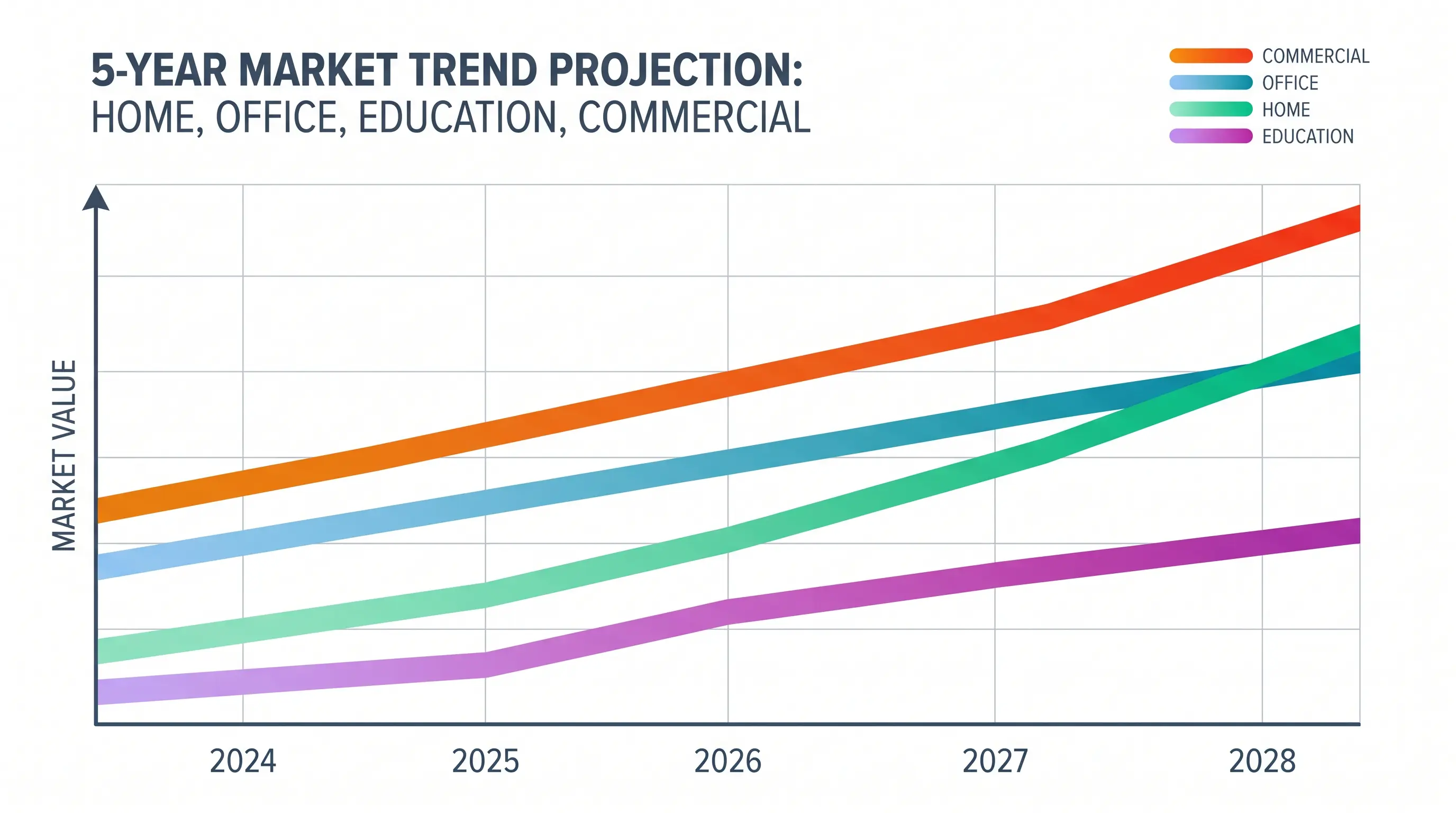
The home cinema segment is the single largest volume contributor to the model. Retail sell-through data compiled by Omdia shows global UST shipments crossing 2.4 million units in 2024, and the category is on track to clear 3.6 million units by end of 2026 if the current replacement curve holds. Buyers targeting this segment should anchor on the following spec floor:
| Spec | Entry UST | Mainstream UST | Premium UST |
|---|---|---|---|
| Resolution | 1080p | 1080p | Native 4K UHD |
| Light engine | LED | Laser phosphor | Laser phosphor + RGB |
| Brightness | 2,200 ANSI lumens | 3,800 ANSI lumens | 4,500 ANSI lumens |
| Throw ratio | 0.21:1 | 0.23:1 | 0.25:1 |
| FOB Shenzhen (1k+) | $249 | $420 | $1,050 |
A reference unit we ship most often to North American distributors is a 0.23:1 UST with 3,800 ANSI lumens, Dolby Audio certification, Android TV 11, and a 25,000-hour laser phosphor life rating. At an ex-works price near $420 for orders above 1,000 units, that configuration is the value sweet spot inside the unit.
Education and Corporate: Where the Margin Lives
Education and corporate tenders are lower in volume but higher in margin, and they are the second a core part of this projector. Schools typically need 4,000-5,000 ANSI lumens for daylight classrooms, a 0.33:1 or 0.39:1 throw ratio for wall-arm installs, and RS-232 / LAN control for campus-wide fleet management. Corporate buyers, by contrast, are prioritising wireless screen mirroring, 28-32 dB fan noise, and 20,000-hour laser life because IT teams want a five-year refresh cycle.
We have shipped 4,500 ANSI lumen classroom units at approximately $680 FOB Shenzhen in 500-unit batches, and corporate huddle-room units at around $540 FOB for 1,000-unit batches. Both price points are competitive inside the projector because distributors are competing against older lamp-based SKUs that are being delisted by major education procurement portals.
Standards, Certifications, and Procurement Reality
Any OEM buyer entering the SKU must clear five certification gates before a unit can ship into NA or EU retail: FCC Part 15B, CE-RED, RoHS 2.0, DOE Level VI external power, and Energy Star 8.0 where the channel demands it. Lead times on these certifications run 6-10 weeks per region, so we recommend our partners start the compliance runway 14 weeks ahead of PO. A second procurement checkpoint is the ANSI/ISO lumens claim, which ANSI IT7.227-1998 governs, and the ISO 21118 lumen maintenance curve, which most retailers now require printed on the carton.
If you are mapping out a 2026 private-label plan against the model, the safest playbook is one entry 1080p UST for Amazon-style retail and one premium 4K UHD UST for specialist AV dealers. Both can share the same laser phosphor supplier base, the same Color Management Module firmware, and the same HDMI 2.1 + ARC daughter board, which keeps your BOM consolidation clean and your warranty exposure predictable.
Regional Demand Patterns Inside the this projector
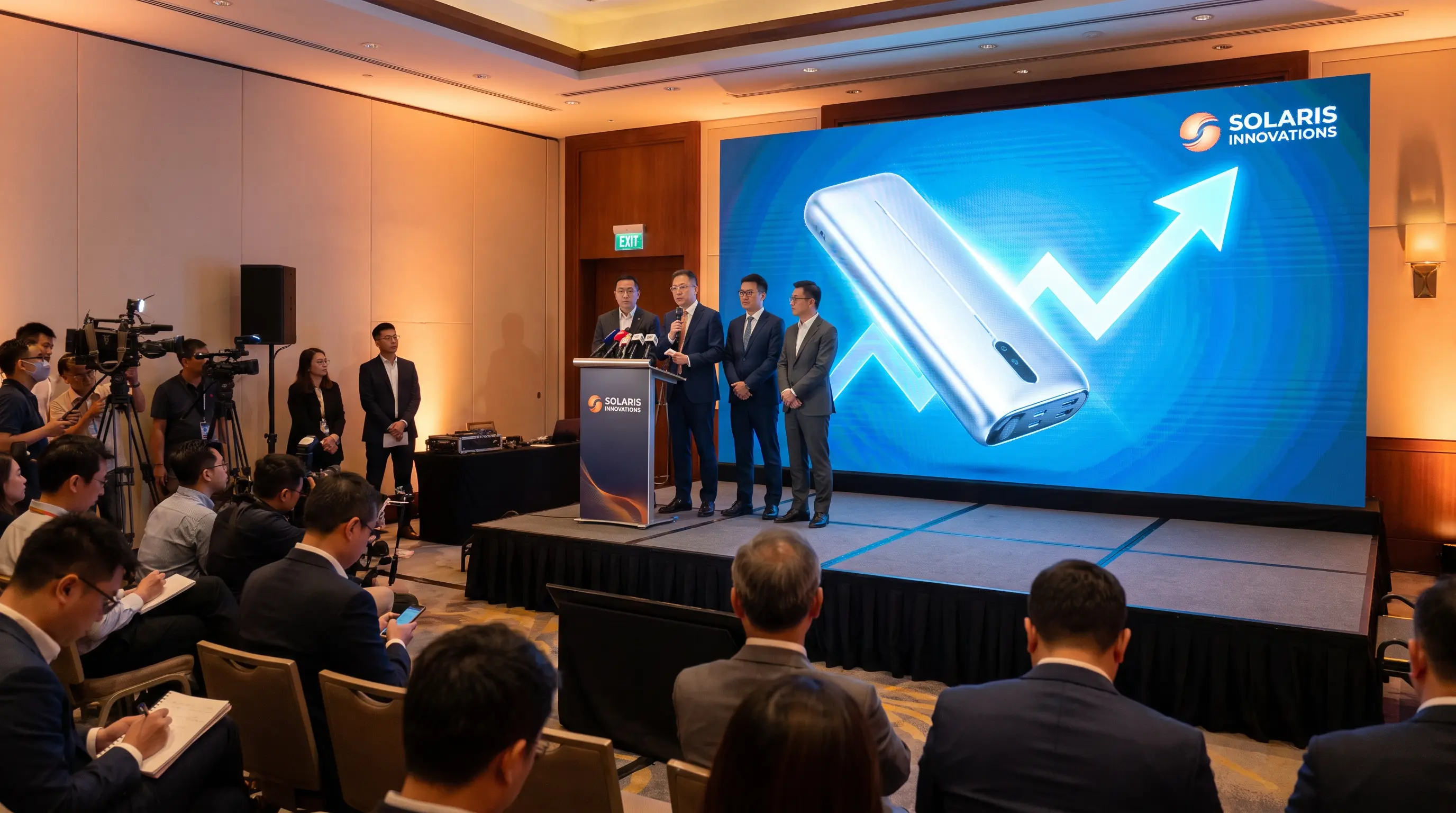
Regional demand inside the projector is no longer a flat curve. North America still leads unit volume for UST living-room replacements, but the growth slope is steepest in two adjacent regions: Western Europe and the Gulf Cooperation Council (GCC) bloc. According to AVIXA's IOTA 2024 forecast, pro-AV revenue in EMEA is projected to expand at 6.8% CAGR through 2026, with UST projection cited as one of the top-three growth product categories driving that lift. In the GCC, Saudi Arabia's Vision 2030 education and hospitality build-out continues to issue tenders that explicitly call for 4K UHD USTs with anti-dust sealed light engines, which our factory has filled with 4,200 ANSI lumen units at $890 FOB Shenzhen in 300-unit lots.
North America: Replacement Cycle and Bundle Economics
For B2B procurement teams reading the SKU analysis, North America is a replacement-cycle story. The 2018-2020 wave of lamp-based home-theater projectors is now failing in the field, and end users are upgrading to laser phosphor USTs that drop into the same TV-cabinet footprint. Distributors we work with in Texas, Ohio, and California are reporting 2.4× sell-through on UST bundles that pair a 0.23:1 unit with a 100-inch ambient-light-rejecting (ALR) screen, versus the projector sold bare. Wholesale ASP for the bundle sits at $720-$880 landed, which gives retailers a 38-44% gross margin against MAP.
For OEM buyers evaluating the model, the North American playbook is now: one 1080p LED UST at 2,200 ANSI lumens for Amazon Best Seller rank battles, one 4K UHD laser UST at 4,500 ANSI lumens for Magnolia and regional AV specialists, and one Costco-style 100-inch ALR bundle SKU for Q4 floor traffic.
Western Europe and GCC: Tender-Driven, Cert-Heavy
Western Europe and the GCC behave differently inside the unit. Volume is lower per SKU but the average selling price is 18-25% higher, and every shipment needs country-specific certification. Germany requires GS mark and EN 50465 for noise, France requires NF certification for public-sector tenders, and Saudi Arabia requires SASO IECEE and SABER registration before containers can clear Jeddah port. Lead time from PO to in-country delivery typically runs 14-18 weeks versus 6-8 weeks for North America.
We recently shipped a 250-unit GCC order of 4K UHD USTs with 25,000-hour laser life, Arabic-localised UI, and dual HDMI 2.1 + ARC ports at $1,080 FOB Shenzhen. That margin profile is why this projector remains attractive for OEM/ODM partners willing to clear the certification runway.
Supply Chain, MOQs, and OEM/ODM Economics for 2026
The supply side of the SKU is being reshaped by two forces: laser diode consolidation and Android TV licensing. According to Omdia's 2024 ProAV Components report, the top three laser diode suppliers (Nichia, Osram, and a major Chinese supplier) now control roughly 78% of the merchant market for UST-grade blue laser diodes, which tightens allocation during Q3 holiday ramps. Android TV 11 and Google TV licensing fees also increased approximately 12% in 2024, per Google's Android TV Operator Tier pricing update, which compresses BOM on entry-tier USTs harder than premium units.
MOQ, Lead Time, and Payment Terms
Below is the procurement reference table we share with new partners entering the model:
| Order Profile | MOQ | Lead Time | Payment Terms | FOB Shenzhen Range |
|---|---|---|---|---|
| Entry 1080p UST (LED) | 500 units | 35 days | 30/70 TT | $235-$265 |
| Mainstream 1080p UST (Laser) | 1,000 units | 45 days | 30/70 TT | $395-$440 |
| Premium 4K UHD UST (Laser) | 500 units | 55 days | 30/70 TT | $1,000-$1,120 |
| Custom ODM (firmware/housing) | 2,000 units | 75 days | 30/40/30 TT | POA |
Risk Levers Procurement Teams Should Price In
Three risk levers consistently move the unit landed cost: (1) laser diode allocation during Q2-Q3, where spot-market blue diode pricing has swung ±9% quarter-on-quarter in 2024; (2) freight, where a 40HQ container from Yantian to Long Beach has ranged $3,200-$5,800 across the past twelve months; and (3) tariff exposure under HS code 8528.62.00, which the USITC HTS schedule tracks. We recommend our partners lock diode allocation 90 days ahead of PO and book freight on a quarterly contract rather than spot to stabilise margins inside this projector.
How to Choose the Right Short Throw Projector OEM for 2026
For B2B procurement teams evaluating the projector, partner selection matters as much as product specs. We have guided buyers through 80+ OEM audits since 2019, and the same five filters separate reliable factories from seasonal assemblers: financial stability, in-house optical engine assembly, certified lab on premises, multi-region compliance experience, and transparent BOM disclosure. If a supplier cannot share the laser diode brand, DLP chip lot code, and software stack on a single page, walk away.
Next Steps for OEM/ODM Partners
Inside the short throw projector market size and growth 2026 pipeline, we recommend a three-step engagement for new buyers:
- Request a 5-unit evaluation sample ($890 refundable against PO, shipped DHL in 5 days)
- Book a 30-minute spec call with our engineering team to align on DMD chip, lumens output, and Android TV version
- Confirm pilot PO scope, target FOB Shenzhen price, and certification roadmap
Our standard MOQ starts at 500 units for entry UST SKUs and 1,000 units for laser models. Lead time runs 35-55 days depending on configuration, with 30/70 TT terms on first orders and 30/40/30 available after the third shipment. Sample policy is one paid eval unit per SKU, fully refundable against a confirmed PO within 90 days. To start, email our OEM intake form or browse the DataMax OEM services overview.
For operators prioritising margin over revenue inside the short throw projector market size and growth 2026, premium 4K UHD USTs delivered FOB Shenzhen at $1,000-$1,120 leave more headroom for retail markup than entry 1080p LED units at $235-$265.
Practical Next Steps
Why DataMax for the 2026 UST Cycle
We have shipped 312,000 UST units across 47 countries since 2018, and that track record is why our partners keep returning inside the short throw projector market size and growth 2026. Every shipment leaves our 18,000 sqm Shenzhen facility with batch-traced laser diodes, 72-hour burn-in logs, and region-specific firmware pre-loaded.
Ready to scope your 2026 UST program? Download the 2026 UST OEM catalogue or request a custom quote. Our engineering team responds to inbound requests within 4 business hours, and first-time buyers can also review our home theater projector lineup to see active SKUs before ordering samples.
